
How to Dry Boots in a Mountain Cabin
Drying boots in a mountain cabin is a different game from drying them at home. You are dealing with wet snow, limited power, and temperatures that can drop well below freezing overnight. A pair of boots that might dry on a radiator in a city apartment can stay soggy for days in a cold cabin — and that moisture leads to cold feet, discomfort, and long-term damage to the materials.
The good news is that with the right approach, you can get your boots dry and ready for the next day on the trail. We have put together this guide to walk you through the methods that actually work in a mountain cabin setting, from simple air-drying tricks to using a dedicated boot dryer when you have power available.
Disclosure: Boot Dry Expert is reader-supported. As an Amazon Associate, we earn from qualifying purchases. This doesn’t change the price you pay, and it doesn’t change our recommendations.
Why Drying Boots in a Mountain Cabin Is Different
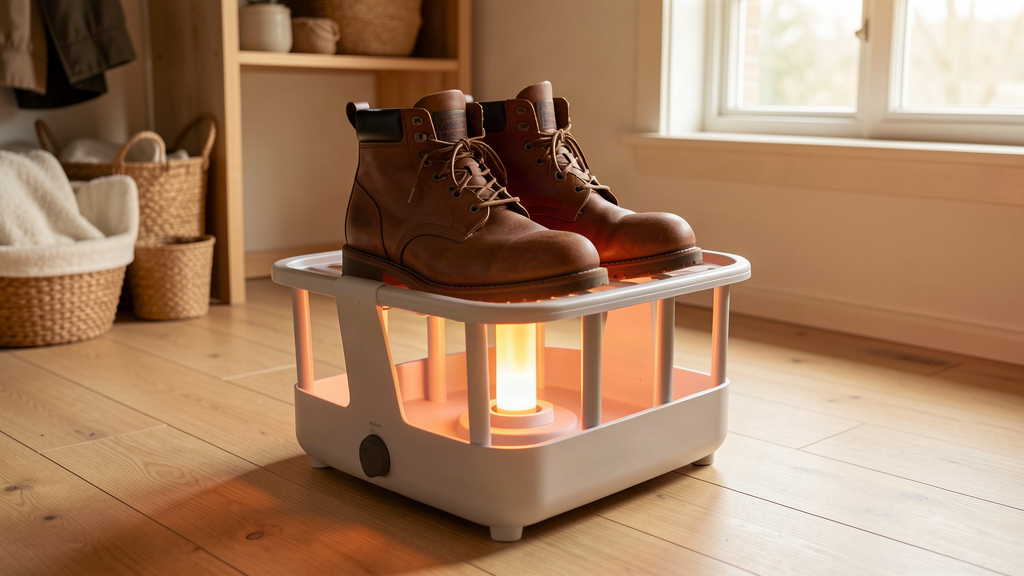
Mountain cabins present a unique set of challenges for drying boots. The air is often colder and more humid than in a typical home, and the boots themselves are usually soaked through from deep snow rather than just a light rain. Leather boots, in particular, can take 24 to 48 hours to dry naturally in these conditions — and that is if you are doing everything right.
Another factor is power. Many mountain cabins have limited electrical service, and some have none at all. Even when power is available, you may be running a space heater, lights, and a refrigerator on the same circuit, which means you need to be thoughtful about what you plug in. Understanding these constraints helps you choose the right drying method for your situation.
Get the Water Out First
Before you start any drying process, remove as much surface water as possible. Take out the insoles and set them aside to dry separately — they hold a surprising amount of moisture and will slow down the whole process if left inside. Pull the laces open as wide as you can so air can circulate through the boot’s interior.
Use a towel to blot the exterior of the boots, paying special attention to the tongue, the collar, and any seams where water tends to pool. If the boots are truly soaked, you can stuff the toe box with newspaper or a dry cloth to wick moisture away from the inside. Replace the stuffing every few hours as it becomes damp.
Choose Your Drying Method
There are several effective ways to dry boots in a mountain cabin, and the best choice depends on how much time you have, whether you have power, and how wet the boots are. Here are the methods we recommend, ranked from most to least effective.
Use a Dedicated Boot Dryer
A dedicated boot dryer is the fastest and most reliable option when you have access to electricity. These devices blow warm air through tubes that extend into the boot, drying them from the inside out in a few hours. They are designed to run safely overnight, so you can set them up before bed and wake up to dry boots. If you are shopping for one, the PEET Original Electric Shoe and Boot Dryer is a popular choice that has been around for years and is widely available.
Air-Dry Near a Heat Source
If you do not have a boot dryer, the next best option is to place your boots near a heat source — but not directly on it. A wood stove, a radiator, or even a space heater works well as long as the boots are at least 12 to 18 inches away from the heat. Direct contact with high heat can damage leather, warp synthetic materials, and melt adhesives. Position the boots so the opening faces the heat source, which encourages warm air to flow inside.
The Newspaper Method
For a no-power option, stuff your boots tightly with crumpled newspaper. The paper absorbs moisture from the inside and helps the boot hold its shape as it dries. Replace the newspaper every two to three hours while it is still damp. This method works best in a warm, dry room and can take 12 to 24 hours depending on how wet the boots are.
Set Up a Drying Station
Where you place your boots matters more than most people think. Choose a spot that is warm, dry, and has good air circulation. A mudroom, a entryway, or a corner of the main room near the stove all work well. Avoid placing wet boots directly on hardwood floors or rugs, as the moisture can damage the finish or cause mold to grow underneath.
If you are using a boot dryer, make sure the power cord is routed safely so no one trips over it in the dark. Keep the dryer on a non-flammable surface, and do not cover it with anything while it is running. A simple boot tray or a folded towel underneath the boots will catch any drips and protect your floors.
Speed Things Up Safely
There are a few safe tricks to accelerate the drying process. First, remove the insoles and dry them separately — they often take longer than the boots themselves. Second, if you have a small fan, point it at the boots to keep air moving across the surface. Moving air evaporates moisture faster than still air, even at the same temperature.
Another trick is to alternate between two pairs of boots if you have them. While one pair is drying on the dryer or near the stove, the other pair can be worn for short trips outside. This gives each pair more time to dry thoroughly and reduces the wear on any single pair.
What Not to Do
Some common drying shortcuts can ruin a good pair of boots. Never place boots directly on a radiator, wood stove, or open flame — temperatures above 140 °F can crack leather, warp rubber, and weaken the glues that hold the sole to the upper. Avoid using a hair dryer on high heat for the same reason; the concentrated heat is too intense for most boot materials.
Do not leave wet boots in a closed bag or overnight in a cold car. The moisture has nowhere to go, and the boots will still be wet — or worse, frozen — in the morning. Finally, do not wear boots that are still damp inside. Even if the exterior feels dry, a damp interior will make your feet cold and can lead to blisters on the trail.
Our Recommendations
If you are looking for a boot dryer to bring on your next mountain cabin trip, check out our roundup of the best boot dryers for work boots. We cover a range of options at different sizes and power levels, so you can find one that fits your cabin setup. For more general advice on keeping your gear in good shape, our boot care guide is a great resource.
Frequently Asked Questions
How long does it take to dry boots in a mountain cabin?
It depends on the method and how wet the boots are. With a dedicated boot dryer, most boots dry in 2 to 4 hours. Air-drying near a heat source can take 8 to 12 hours, and the newspaper method can take 12 to 24 hours. Heavily soaked leather boots may take up to 48 hours to dry completely without mechanical assistance.
Can I dry boots in front of a wood stove?
Yes, but keep them at least 12 to 18 inches away from the stove. The radiant heat from a wood stove is intense, and placing boots too close can damage the materials. Use a boot tray or a piece of metal to reflect heat toward the boots without exposing them to direct high temperatures.
Is it safe to leave a boot dryer on overnight?
Most modern boot dryers are designed to run safely overnight. They use low-wattage heating elements and have no exposed coils that could pose a fire risk. That said, you should always follow the manufacturer’s instructions, keep the dryer on a non-flammable surface, and make sure it is not covered by anything while running.
Can I use a hair dryer to dry my boots?
We do not recommend it. Hair dryers produce concentrated heat that can damage leather, warp synthetic materials, and weaken adhesives. If you must use one, keep it on the lowest heat setting and hold it at least 6 inches away from the boot, moving it constantly. A dedicated boot dryer is a much safer and more effective option.
How do I know when my boots are fully dry?
Check the interior lining by pressing a finger against it — if it feels cool or damp, the boots are not done. The insoles should feel completely dry to the touch, and there should be no visible moisture on the exterior. When in doubt, give them another hour or two. It is better to wait than to put on boots that are still holding moisture.
Conclusion
Drying boots in a mountain cabin takes a little planning, but it is not complicated. Remove the surface water first, choose a drying method that fits your power situation, and give the boots enough time to dry completely before wearing them again. With the right approach, you will never have to pull on a cold, damp pair of boots at the start of a day on the trail.