
Convection vs Forced Air Boot Dryers: Which Is Better?
Boot dryers generally work in one of two ways: convection or forced air. Understanding the difference matters because the right choice affects how fast your boots dry, how much noise the dryer makes, and how gentle it is on expensive leather.
We compared both types on the things that actually matter — drying speed, noise, heat safety, boot care and running cost — so you can pick the right one for your boots and your routine.
Disclosure: Boot Dry Expert is reader-supported. As an Amazon Associate, we earn from qualifying purchases. This doesn’t change the price you pay, and it doesn’t change our recommendations.
How Convection Boot Dryers Work
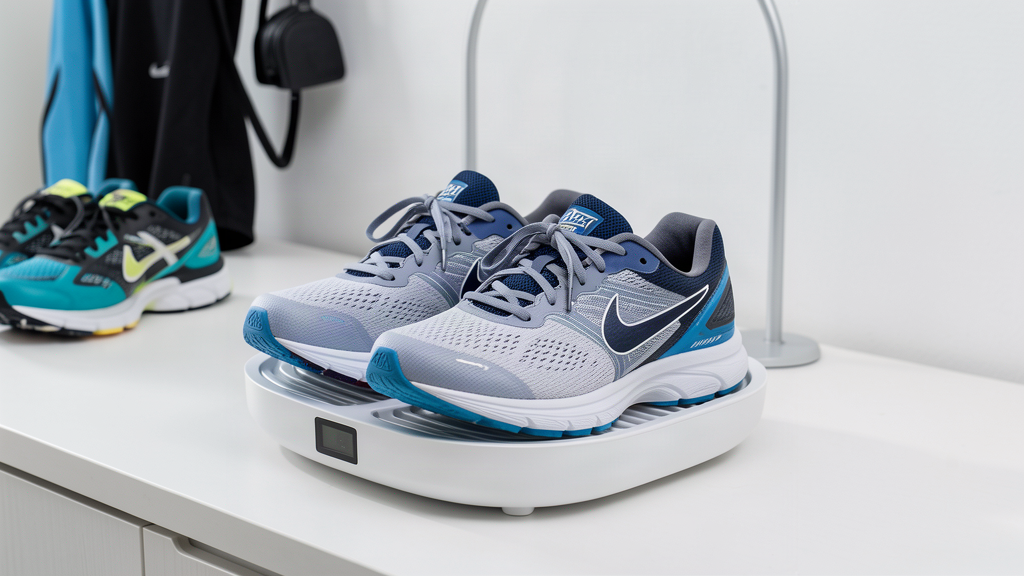
Convection dryers use a simple principle: warm air rises. A heating element at the base of the dryer warms the air, and that warm air naturally flows up through the drying tubes and into the boot. There’s no fan and no moving parts — just gentle heat doing its job.
Because there’s no fan, convection dryers are completely silent. They’re also very gentle on boots because the heat stays warm rather than hot, which is what you want for leather, rubber and waterproof membranes like Gore-Tex.
The trade-off is speed. Without a fan to push air through the boot, drying takes longer — usually overnight for soaked boots. Most convection dryers draw very little power (around 36 watts), so they’re cheap to run all night.
Popular convection models include the PEET Original and the JobSite Silent Boot Dryer.
How Forced Air Boot Dryers Work
Forced air dryers add a fan to the equation. Instead of waiting for warm air to rise on its own, a blower actively pushes air through the boot, which moves moisture out much faster.
Most forced air dryers let you switch the heat on or off. With heat on, you get warm air that dries boots in one to three hours. With heat off, you get room-temperature air that’s even gentler on delicate liners and heat-sensitive materials.
The fan does make noise — not loud enough to be a problem in a garage or mudroom, but noticeable in a bedroom. Forced air dryers also tend to cost a bit more and have more moving parts that could eventually wear out.
Popular forced air models include the DryGuy Force Dry DX and the PEET Advantage Plus.
Speed Comparison
This is where the two types differ most. A convection dryer typically takes four to eight hours to dry soaked work boots — basically overnight. A forced air dryer with heat can do the same job in one to three hours.
If you wear your boots once a day and dry them overnight, convection is fast enough. If you need boots dry between shifts, or you rotate two pairs and need both dry by morning, forced air is worth the extra noise and cost.
Noise Level
Convection dryers win this category outright. With no fan and no moving parts, they’re completely silent. You can run one in a bedroom, a mudroom or an office without anyone noticing.
Forced air dryers produce a steady hum from the fan. It’s not loud — more like a small desk fan — but it’s noticeable in a quiet room. If you plan to run your dryer in a bedroom or living space, convection is the quieter choice.
Heat Safety and Boot Care
Too much heat is the number-one way to ruin good boots. It dries out and cracks leather, weakens the glue that holds the sole on, and can damage waterproof membranes.
Convection dryers run warm rather than hot, which makes them very safe for leather, rubber, neoprene, canvas and synthetics. They’re the gentlest option for expensive boots.
Forced air dryers usually offer a heat-off setting, which lets you dry delicate items with room-temperature air. With heat on, most run around 105°F — warm enough to speed up drying but not hot enough to damage most boots. Still, if you’re drying high-end leather boots regularly, convection is the safer long-term choice.
Which Type Is Better for You?
Choose convection if:
- You dry boots overnight and don’t need them fast
- You want silent operation
- You’re drying expensive leather or delicate materials
- You want the lowest running cost
- You prefer a simple, long-lasting machine with few moving parts
Choose forced air if:
- You need boots dry in one to three hours
- You rotate two pairs and need both dry by morning
- You want to dry boots and gloves at the same time
- You don’t mind a little fan noise
- You want a timer so the dryer shuts itself off
Our Recommendations
For most people who wear work boots daily, a convection dryer like the PEET Original is the best starting point — it’s silent, gentle on leather and costs pennies to run overnight. See our full breakdown in 5 Best Boot Dryers for Work Boots in 2026.
If you need faster drying or want to dry two pairs at once, a forced air model like the DryGuy Force Dry DX is worth the upgrade.
Frequently Asked Questions
Is convection or forced air better for leather boots?
Convection is generally better for leather because it runs warm rather than hot and has no fan to push dust or debris around. The gentle heat is less likely to dry out or crack leather over time.
Can forced air dryers damage boots?
Not if you use them correctly. Most forced air dryers have a heat-off setting for delicate items. With heat on, temperatures around 105°F are safe for most boots, but you should avoid leaving any dryer on high heat for extended periods.
How long does each type take to dry boots?
Convection dryers typically take four to eight hours, or overnight for soaked boots. Forced air dryers with heat can dry most boots in one to three hours.
Are convection dryers cheaper to run?
Yes. Most convection dryers draw around 36 watts, which costs pennies per night. Forced air dryers use more power because of the fan, but the difference is still small — a few cents per cycle.
Can I leave a convection dryer on all night?
Yes. Convection dryers are designed to be left on for long periods, which is how they’re meant to be used. They run cool and draw very little power, so they’re safe to leave unattended overnight.
Do forced air dryers dry boots more evenly?
Yes, to some extent. The fan pushes air throughout the boot, including the toe box, which is the part that stays wet the longest. Convection dryers rely on warm air rising naturally, which can leave the very top of tall boots slightly damper than the toes.
Conclusion
Both convection and forced air boot dryers do the same basic job — they get moisture out of your boots. The right choice comes down to your routine. If you dry boots overnight and value silence and gentleness, go with convection. If you need speed and the ability to dry multiple pairs, forced air is worth it. Either way, your boots will last longer, smell less and feel more comfortable than if you left them wet.