
How to Maintain Your Boot Dryer
A boot dryer is a simple machine, but like any appliance that moves air and generates heat, it needs regular maintenance to keep working well. Dust builds up, filters clog, and small issues turn into bigger problems if you ignore them.
The good news is that maintaining a boot dryer takes maybe 15 minutes every few months. A little routine care keeps the air flowing freely, the heat consistent, and the unit running quietly for years. Below we walk through exactly what to do, how often to do it, and the signs that your dryer needs attention.
Disclosure: Boot Dry Expert is reader-supported. As an Amazon Associate, we earn from qualifying purchases. This doesn’t change the price you pay, and it doesn’t change our recommendations.
Clean the Air Intake and Vents Regularly
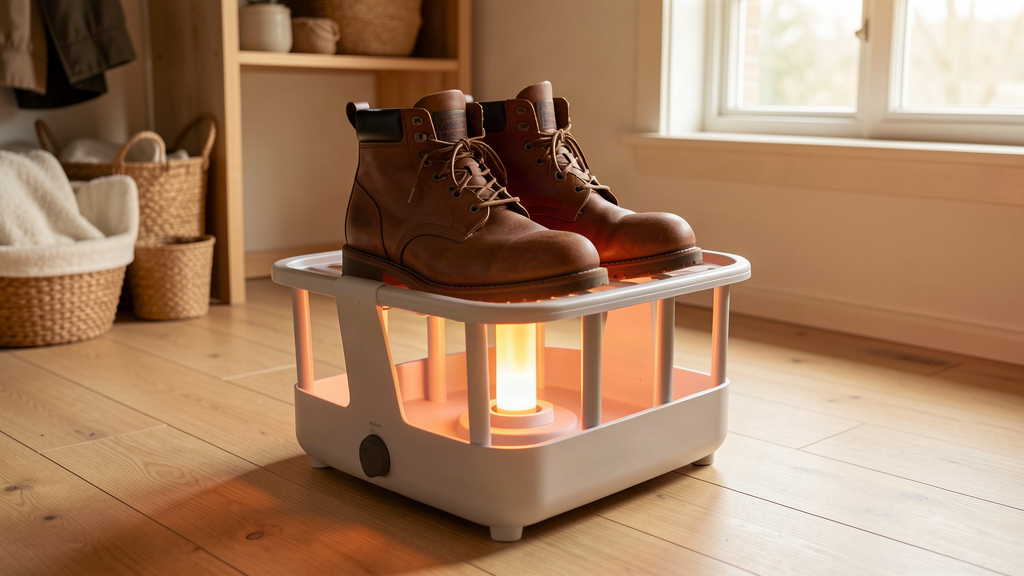
Most boot dryers pull air in through an intake vent, warm it, and push it out through the drying tubes. When that intake gets clogged with dust, lint, or pet hair, the dryer has to work harder. Airflow drops, drying takes longer, and the motor runs hotter than it should.
Check the intake vent every month or so. It’s usually a grille or perforated panel on the bottom or back of the unit. Use a soft brush or a vacuum with a brush attachment to remove loose dust. If the vent has a removable filter, take it out and rinse it with warm water. Let it dry completely before putting it back.
For the drying tubes, wipe them down with a damp cloth every few weeks. Dust and debris can collect on the inside of the tubes, especially if you dry muddy boots. A quick wipe keeps the air path clear and prevents that debris from blowing into your boots.
Check and Replace Filters
Some boot dryers have a foam or mesh filter at the air intake that catches dust before it reaches the heating element. Not all models have one, so check your manual or look for a removable panel near the intake.
If your dryer has a filter, remove it every month and tap it over a trash can to dislodge dust. Foam filters can usually be rinsed with warm water and mild soap, then squeezed gently and left to air dry. Mesh filters can be brushed clean. Replace the filter when it starts to break down or no longer comes clean — a clogged filter restricts airflow and makes the dryer less effective.
A good rule of thumb: if you can see dust buildup on the filter, it’s time to clean it. If the filter looks worn or torn, replace it. Replacement filters are usually available from the manufacturer.
Inspect the Drying Tubes and Ports
The drying tubes are the parts that go inside your boots. They take the most wear because they’re handled constantly and exposed to moisture, dirt, and the inside of your boots.
Check the tubes every few months for cracks, splits, or brittleness. Plastic can become stiff and crack over time, especially if the dryer is stored in a hot garage or cold basement. A cracked tube won’t deliver air properly, and you’ll notice uneven drying.
Also check the ports where the tubes connect to the base unit. Make sure the tubes seat firmly and don’t wobble. If a tube is loose, air escapes before it reaches your boot. Some models have twist-lock or push-fit connections — make sure they’re fully seated.
If a tube is cracked or broken, contact the manufacturer for a replacement. Most brands sell replacement tubes, and they’re usually inexpensive.
Keep the Exterior Clean and Dust-Free
The outside of your dryer collects dust just like any other appliance. Wipe the housing with a soft, dry cloth every few weeks. For stubborn dirt, use a cloth dampened with water and a small amount of mild dish soap. Never spray water or cleaning solution directly onto the unit.
Pay attention to the control panel or switch area. Dust and moisture can build up around buttons or dials and cause them to stick or malfunction. A cotton swab works well for cleaning around small controls.
If your dryer has a fan (forced air models), the fan blades can collect dust over time. With the unit unplugged, use a vacuum with a brush attachment to clean around the fan housing. Don’t try to open the unit unless your manual says it’s user-serviceable.
Store Your Dryer Properly When Not in Use
If you only use your boot dryer during certain seasons, proper storage matters. Dust and temperature extremes can damage the unit while it’s sitting in a closet or garage.
Unplug the dryer and wrap the cord loosely around the unit or secure it with a twist tie. Don’t wrap it tightly — that can damage the wires inside. Store the dryer in a clean, dry place away from direct sunlight and extreme temperatures.
If you live in a humid climate, consider storing the dryer in a plastic bin with a lid to keep moisture out. Silica gel packets in the bin help too. Before using the dryer again after long storage, wipe it down and check the intake vent for dust or cobwebs.
Know When to Replace Worn Parts
Boot dryers are built to last, but individual parts do wear out. The most common parts that need replacement are the drying tubes, the intake filter, and occasionally the power cord.
Keep an eye on the power cord for fraying, kinks, or damage near the plug. A damaged cord is a safety hazard and should be replaced immediately. Don’t use the dryer with a damaged cord.
If your dryer starts making unusual noises, smells hot, or takes much longer than usual to dry, those are signs something is wrong. Unplug the unit and check for obvious issues like a clogged filter or blocked intake. If the problem continues, contact the manufacturer.
Most boot dryer brands offer replacement parts and have customer service that can help you identify what you need. It’s usually cheaper to replace a tube or filter than to buy a whole new dryer.
Our Recommendations
For most people, a convection dryer like the PEET Original is the easiest to maintain. It has no fan to collect dust, no complex controls, and very few parts that can fail. See our full breakdown in 5 Best Boot Dryers for Work Boots in 2026.
If you prefer a forced air model, the DryGuy Force Dry DX is a solid choice. It does have a fan that needs occasional cleaning, but it’s well-built and replacement parts are readily available. For a deeper comparison of both types, see our guide to convection vs forced air boot dryers.
Frequently Asked Questions
How often should I clean my boot dryer?
Every month or two for a quick check of the intake vent and tubes. A deeper clean — removing and washing the filter, wiping down the tubes, and checking for damage — every three to six months is plenty for most households.
Can I use my boot dryer without the filter?
You can, but you shouldn’t for long. The filter catches dust and lint before they reach the heating element and fan. Running without it lets that debris build up inside the unit, which reduces efficiency and can shorten the life of the dryer.
Why is my boot dryer taking longer to dry?
The most common cause is a clogged filter or blocked intake vent. Clean both and see if drying time improves. If it doesn’t, check the drying tubes for cracks or blockages. A tube that’s partially blocked or cracked will reduce airflow significantly.
Is it safe to leave my boot dryer running overnight?
Yes, most boot dryers are designed to run overnight. Convection models in particular are made for unattended overnight use. That said, it’s always a good idea to follow the manufacturer’s instructions and make sure the dryer is on a stable, heat-resistant surface away from flammable materials.
How long should a boot dryer last?
With proper maintenance, a boot dryer should last many years. The heating element and fan (if it has one) are usually the first components to wear out, but replacement parts are often available. Regular cleaning and proper storage make a big difference in how long the unit lasts.
Conclusion
Maintaining a boot dryer is simple: keep the air path clean, check the tubes and filter regularly, and store the unit properly when it’s not in use. Fifteen minutes of care every few months keeps your dryer running efficiently and extends its life significantly. A well-maintained dryer dries your boots faster, runs quieter, and saves you the cost of replacing the unit years before you’d need to.