
How to Dry Boots in a Wetland Area
Drying boots in a wetland area is one of the toughest challenges you can give your footwear. The combination of saturated ground, high humidity, and limited airflow creates conditions where boots can stay wet for days. Whether you’re hunting, hiking, or working in marshy terrain, the standard advice for drying boots often falls short.
Wetland environments add layers of difficulty that most drying guides don’t address. The air itself holds so much moisture that evaporation slows to a crawl. Mud and organic debris clog boot materials, trapping water inside. And the constant dampness means mold and mildew can set in within 24 to 48 hours if you don’t act fast. This guide walks you through practical methods that actually work in these conditions.
Disclosure: Boot Dry Expert is reader-supported. As an Amazon Associate, we earn from qualifying purchases. This doesn’t change the price you pay, and it doesn’t change our recommendations.
Why Wetland Conditions Make Boot Drying Harder
Wetland areas present a unique set of problems for boot drying. The humidity alone can hover above 80% for days, which means the air is already saturated with moisture. When the air can’t hold more water, evaporation from your boots slows dramatically. You might set your boots out overnight and find them just as damp in the morning.
The ground itself is another factor. Wetland soil stays saturated, so any boot left on the ground will wick moisture back up from below. Even standing on a tarp or a log isn’t always enough if the water table is high. Mud and decaying plant matter add to the problem by clogging the pores of leather and fabric, trapping water inside the material rather than letting it escape.
Temperature swings make things worse too. Wetland areas often cool down significantly at night, dropping into the 40s or 50s °F. Cooler temperatures slow evaporation further, and if your boots freeze overnight, the ice expands inside the material and can cause cracking or delamination. Understanding these conditions helps you choose the right approach rather than relying on methods that work fine in a dry garage.
Get the Water Out First
Before you worry about drying, you need to remove as much water as possible from the boots themselves. Start by removing the insoles and laces. Insoles hold a surprising amount of water, and they need to dry separately to allow airflow on both sides. Laces should be taken out so the tongue can be pulled open, exposing the interior to air.
Pour out any standing water inside the boot. If you’ve been walking through deep water, there can be several ounces trapped in the toe box and heel. Tilt the boot upside down and let gravity do the work. Stuff the boot with newspaper or a dry microfiber towel to absorb moisture from the interior. Replace the stuffing every hour or so as it becomes saturated.
For leather boots, avoid wringing or twisting the material. Leather is prone to cracking when it’s wet and manipulated roughly. Instead, press a towel against the exterior to blot away surface water. For synthetic materials, you can be a bit more aggressive, but avoid direct heat sources like radiators or hair dryers on high heat, which can warp or melt synthetic components.
Choose the Right Drying Method for Your Situation
Not every drying method works in a wetland environment. Air-drying alone is often too slow when humidity is high. You need to actively move air across the boot or introduce gentle heat to speed evaporation.
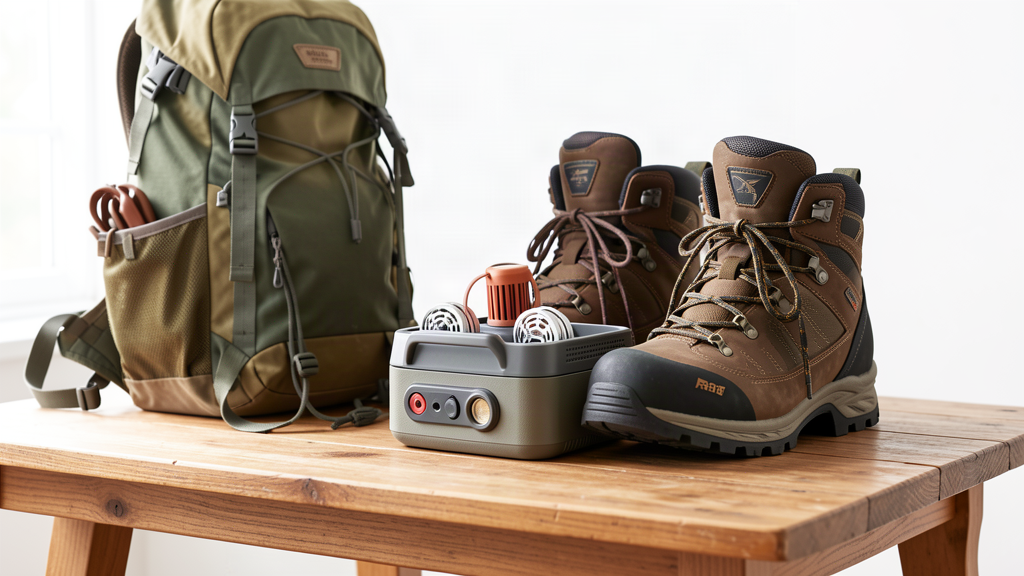
Electric boot dryers are the most reliable option in wetland conditions. Devices like the PEET Original Electric Shoe and Boot Dryer use forced air and gentle heat to dry boots from the inside out. They work even when the ambient humidity is high because they’re moving air continuously. Look for models with tubes that extend into the boot shaft, as these deliver air directly to the toe box where water collects.
If you don’t have access to electricity, a portable dryer like the DryGuy Travel Shoe and Boot Dryer runs on batteries or a car adapter. These are less powerful than full-size units but still move enough air to make a difference. For group outings, consider bringing a power bank or a small generator to keep electric dryers running.
In a pinch, a campfire or portable heater can work, but you need to be careful. Keep boots at least 3 feet from the heat source and rotate them frequently. The goal is gentle warmth, not direct heat. Too much heat can damage adhesives, warp soles, and cause leather to shrink or crack.
Speed Up Drying in High Humidity
When the air is already saturated, you need to create a microclimate around your boots that encourages evaporation. The key is airflow and, if possible, a slight temperature increase.
Set up a drying station in the most ventilated area available. If you’re in a tent, open the rainfly and use a battery-powered fan to circulate air. Position the fan so it blows across the boots rather than directly at them. This creates a steady stream of air that carries moisture away from the boot surface.
If you have access to electricity, a dehumidifier in a small enclosed space can work wonders. Place your boots in a tent or small room with the dehumidifier running. Even a small unit can reduce humidity by 20 to 30 percentage points, which makes a significant difference in drying time. Combine this with an electric boot dryer and you have a system that works even in the muggiest conditions.
Silica gel packets or moisture-absorbing products can help for smaller items like insoles and gloves, but they’re not practical for full boots. For boots, focus on active drying methods rather than passive absorption.
Protect Your Boots While They Dry
Drying boots in a wetland area isn’t just about removing water. It’s about doing so without damaging the materials. Leather, synthetic fabrics, and adhesives all react differently to heat and moisture.
For leather boots, apply a conditioner once they’re fully dry. Wet leather loses its natural oils, and if you dry it too quickly or with too much heat, it can become stiff and crack. A good leather conditioner restores flexibility and water resistance. Avoid applying conditioner to wet boots, as it can trap moisture inside.
For synthetic boots, be cautious with heat. Many synthetic materials can warp or delaminate at temperatures above 140 °F. Electric boot dryers typically operate at lower temperatures, which is why they’re safer than improvised heat sources. If you’re using a campfire or heater, keep the temperature moderate and monitor the boots closely.
Pay attention to the seams and adhesives. These are the first areas to fail when boots are dried improperly. If you notice any separation or bubbling, stop drying and let the boots cool naturally. Once cooled, you can assess whether the damage is permanent or if a repair is possible.
Know When They’re Really Dry
One of the biggest mistakes is thinking your boots are dry when they’re only dry on the surface. Wetland conditions can leave moisture deep inside the boot material, especially in the toe box and heel counter.
Check the interior by pressing a dry paper towel against the insole and the inner lining. If the towel picks up any moisture, the boots need more time. Pay special attention to the area around the tongue and the collar, where padding holds moisture. For leather boots, the material should feel cool but not damp. If it feels cold and clammy, there’s still water inside.
Give boots at least 24 hours to dry in wetland conditions, even if they feel dry on the outside. Rushing the process and putting boots away damp invites mold, mildew, and odor that can be difficult to remove. It’s better to wait an extra day than to deal with a ruined pair of boots.
Our Recommendations
If you regularly find yourself in wetland conditions, investing in a quality electric boot dryer is worth it. The PEET Original Electric Shoe and Boot Dryer is a solid choice for home use, with tubes that reach deep into the boot shaft and a design that’s built to last. For travel, the DryGuy Travel Shoe and Boot Dryer offers portability without sacrificing too much performance.
For more options and detailed comparisons, check out our guide to the Best Boot Dryers for Work Boots. We also have a comprehensive overview of boot drying tips and techniques that covers additional methods and product recommendations.
Frequently Asked Questions
How long does it take to dry boots in a wetland area?
In high humidity, boots can take 24 to 48 hours to dry completely, even with an electric dryer. Without active drying methods, it can take several days. The key is to start the drying process as soon as possible and to check for hidden moisture before storing the boots.
Can I use a hair dryer to dry my boots?
A hair dryer on a cool or warm setting can work in an emergency, but it’s not ideal. Hair dryers don’t distribute air evenly, and the heat can be too concentrated in one spot. If you must use one, keep it moving and maintain a distance of at least 6 inches from the boot surface.
Is it safe to dry boots near a campfire?
Yes, but with caution. Keep boots at least 3 feet from the fire and rotate them every 10 to 15 minutes. The goal is gentle warmth, not direct heat. Too much heat can damage adhesives, warp soles, and cause leather to crack.
How do I prevent mold and mildew in wet boots?
Start drying as soon as possible, ideally within a few hours of getting wet. Use an electric boot dryer or forced air to speed the process. If you can’t dry boots immediately, stuff them with newspaper and replace it every few hours. Once boots are fully dry, store them in a cool, dry place with good airflow.
What temperature is safe for drying boots?
Most boot materials can handle temperatures up to 140 °F without damage. Electric boot dryers typically operate between 100 °F and 120 °F, which is safe for leather, synthetics, and adhesives. Avoid temperatures above 140 °F, as this can cause warping, delamination, and cracking.
Can I dry boots in a tent?
Yes, but you need to manage humidity. Open the rainfly to improve ventilation and use a battery-powered fan to circulate air. If you have an electric boot dryer, use it inside the tent, but make sure the tent is well-ventilated to prevent moisture buildup. A small dehumidifier can also help if you have access to power.
Conclusion
Drying boots in a wetland area requires patience and the right tools. The high humidity and saturated ground make it one of the toughest environments for footwear, but with the methods outlined here, you can get your boots dry and ready for the next outing. Start by removing as much water as possible, use an electric dryer or forced air to speed evaporation, and give boots enough time to dry completely before storing them. With the right approach, even the muddiest, wettest boots can be brought back to life.