
How to Dry Boots in a Ski Chalet
Drying ski boots in a chalet is easier than you think — as long as you avoid the mistakes that damage liners and shells. After a long day on the slopes, wet boots are inevitable. Snow melts, sweat builds up, and before you know it you’re stuffing damp footwear into a bag or leaving it overnight in a cold entryway. The good news is that a ski chalet usually has everything you need to get boots dry and ready for the next morning.
In this guide we’ll walk through the best methods for drying boots in a chalet setting, from simple air-drying techniques to using an electric boot dryer. We’ll cover what to avoid, how to speed things up, and how to keep your boots in good season-long shape. Whether you’re staying in a rented cabin or your own place, these steps will keep your feet warm and comfortable.
Disclosure: Boot Dry Expert is reader-supported. As an Amazon Associate, we earn from qualifying purchases. This doesn’t change the price you pay, and it doesn’t change our recommendations.
Why Drying Ski Boots Properly Matters
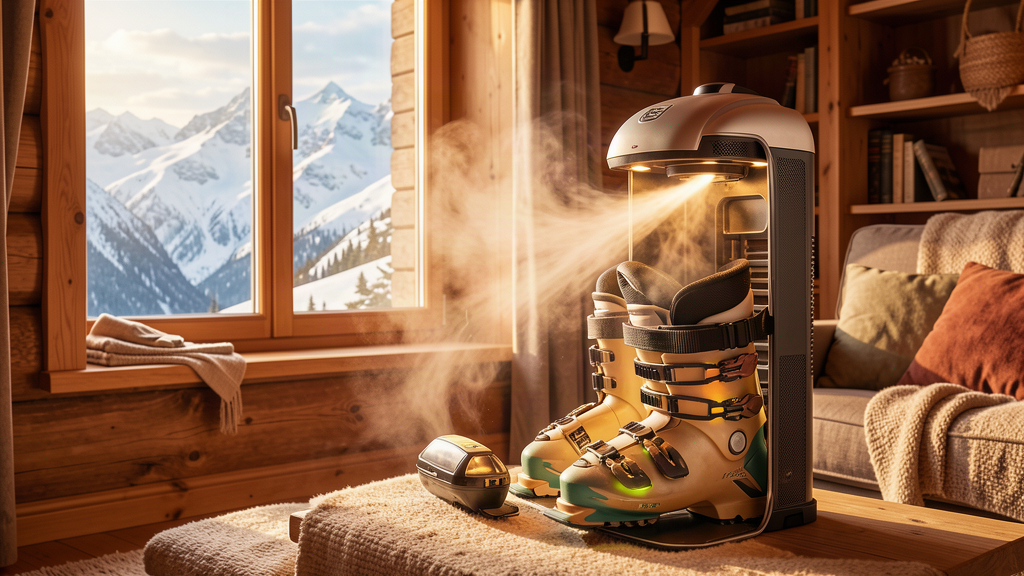
Wet boots are more than a comfort issue. Moisture trapped inside a ski boot liner can lead to cold feet, blisters, and even skin irritation over a multi-day trip. Leather and synthetic materials break down faster when they stay damp, and the insulation that keeps your feet warm loses its effectiveness when it’s wet. A boot that’s dried correctly every night will last multiple seasons longer than one that’s neglected.
There’s also a hygiene angle. Damp, warm boots are a breeding ground for odor-causing bacteria. If you’ve ever opened a boot bag after a trip and been hit with a unpleasant smell, you know exactly what we’re talking about. Consistent drying prevents that problem from building up over time.
Remove the Liners and Insoles First
The single most effective step you can take is pulling the liners and insoles out of the boot shells. Most modern ski boots have removable liners, and this is where the majority of moisture collects. Once you’ve taken them out, set them somewhere with good air circulation — a drying rack, a chair near a heat source, or even just propped up against a wall with the opening facing outward.
Insoles should be laid flat so both sides can air out. If you have a spare pair, rotate them so each pair gets a full day to dry. This small habit makes a noticeable difference in how fresh your boots feel on the mountain.
Air-Drying in a Chalet: The Basics
Most chalets have a boot room, mudroom, or entryway that’s designed for exactly this purpose. The key is to keep boots away from direct, intense heat like radiators, wood stoves, or fireplaces. High heat can warp plastic shells, shrink leather, and damage the foam in liners. Instead, aim for a spot with steady, moderate warmth and good airflow.
Place boots upright with the cuffs open so air can circulate inside. If the chalet has a fan, pointing it gently across the boots speeds things up considerably. In a typical room at around 68-72 °F, liners usually dry overnight if they’re not soaked through. Heavier saturation may take longer, which is where the next method comes in.
Using an Electric Boot Dryer
An electric boot dryer is the most reliable way to get boots fully dry overnight, especially in a humid chalet environment or after a particularly wet day. These devices blow warm air into the boot cavity, evaporating moisture from the inside out. They’re quiet, energy-efficient, and designed to run for hours without overheating.
Look for a dryer with tubes that reach at least 10-12 inches into the boot, so the warm air gets deep into the liner rather than just warming the toe box. Some models also have attachments for gloves and helmets, which is handy in a ski chalet where everything tends to get wet at once. A quality dryer like the PEET Original Electric Shoe and Boot Dryer is a popular choice for its durability and consistent performance.
Set the dryer up before bed, let it run overnight, and wake up to boots that are warm, dry, and ready to ski. It’s a small investment that pays for itself in comfort and boot longevity.
What to Avoid When Drying Boots
There are a few common mistakes that can ruin a pair of ski boots faster than any amount of moisture. Never put boots directly on a radiator or in front of a fire. The concentrated heat can crack the shell, melt adhesives, and cause the liner foam to lose its shape. Avoid using a hair dryer on high heat for the same reason — it’s too intense and too localized.
Don’t stuff wet boots with newspaper and leave them in a closed bag. While newspaper can absorb some surface moisture, it traps humidity inside the boot and can leave ink stains on the liner. Similarly, don’t seal damp boots in a plastic bag overnight — this creates a mini greenhouse for mold and mildew.
Finally, don’t skip drying just because the outside of the boot looks dry. The liner can hold significant moisture even when the shell feels dry to the touch. Always check the liner before calling it done.
Speeding Up the Process on Busy Mornings
Sometimes you need boots dry faster than overnight. If you’re sharing a chalet with a group and everyone’s boots are competing for drying space, a few tricks can help. Wipe down the outside of the boot shell with a towel to remove surface water before setting it out. Pull the tongue forward as far as it goes to open up the boot cavity and expose more of the liner to air.
If you have access to a dehumidifier, running it in the boot room pulls moisture from the air and helps everything dry faster. A small fan pointed at the boots also makes a real difference — moving air evaporates moisture much more effectively than still air, even at the same temperature.
Our Recommendations
If you’re looking for a reliable boot dryer to keep at the chalet, we’ve put together a detailed guide to the best boot dryers for work boots that covers top picks across different needs and budgets. For a broader overview of what to look for in any boot dryer, our boot dryer buying guide breaks down the key features worth considering.
FAQ
Can I dry ski boots overnight in a chalet?
Yes, in most cases. With the liners removed and boots placed in a well-ventilated room at normal indoor temperatures, they should dry overnight. Using an electric boot dryer makes this more reliable, especially if the boots are heavily saturated.
Is it safe to put ski boots near a fireplace or radiator?
No. Direct high heat can warp the boot shell, damage the liner foam, and weaken adhesives. Keep boots at a safe distance from heat sources and rely on gentle, indirect warmth instead.
How do I prevent boot odor during a ski trip?
Dry your boots thoroughly every night, remove the liners and insoles, and let them air out. If odor is a recurring problem, consider using a boot dryer with a sanitizing feature or placing moisture-absorbing inserts in the boots between wears.
What temperature is best for drying ski boots?
Room temperature, around 68-72 °F, is ideal. There’s no need for excessive heat — steady airflow and moderate warmth are all you need to dry boots effectively without risking damage.
Can I use a regular hair dryer to dry my ski boots?
It’s not recommended. Hair dryers produce concentrated, high heat that can damage boot materials. An electric boot dryer is designed to deliver gentle, even warmth over several hours, which is much safer for your boots.
Conclusion
Drying ski boots in a chalet doesn’t have to be complicated. Remove the liners, give them airflow, keep them away from direct heat, and consider an electric dryer for the most consistent results. A little attention each night keeps your boots comfortable, extends their life, and means you never have to pull on cold, damp boots in the morning. That’s worth the few minutes it takes.