
Are Boot Dryers Safe for Leather Boots?
Are Boot Dryers Safe for Leather Boots?
Yes, boot dryers are generally safe for leather boots when used correctly. Most quality boot dryers operate at temperatures that won’t damage leather, and plenty of leather boot owners use them every winter without problems. The key is understanding how different dryer types work and what precautions to take.
Leather is more resilient than many people think, but it does have limits. Excessive heat, prolonged exposure, and aggressive drying methods can cause cracking, shrinkage, and discoloration. This guide covers what you need to know to dry your leather boots safely and keep them in good shape for years.
Disclosure: Boot Dry Expert is reader-supported. As an Amazon Associate, we earn from qualifying purchases. This doesn’t change the price you pay, and it doesn’t change our recommendations.
How Boot Dryers Work and Why Leather Needs Care
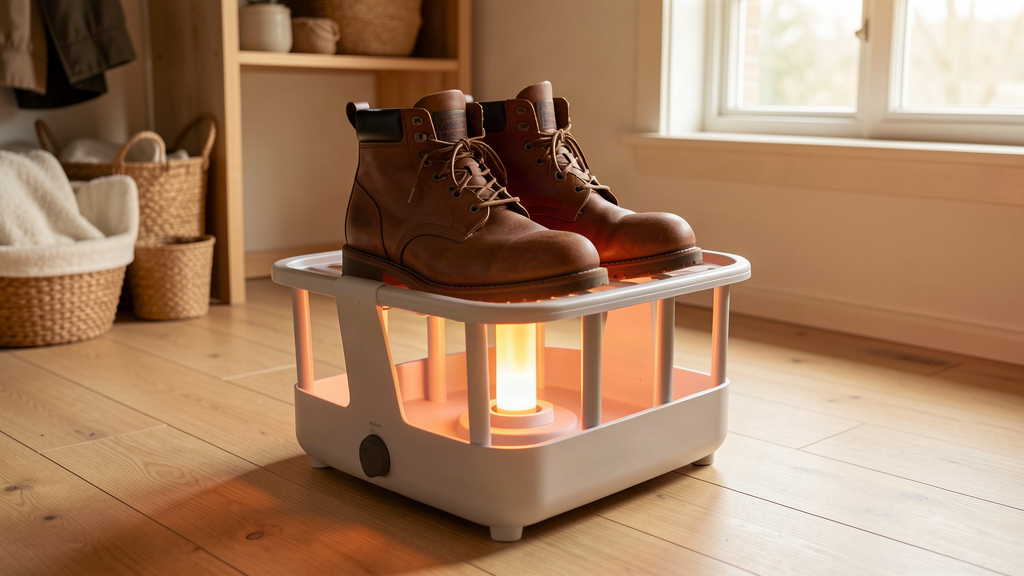
Boot dryers use one of two main methods to remove moisture: forced air or convection. Forced air dryers blow warm air directly into the boot, while convection dryers heat air naturally and let it rise through the boot without a fan. Both methods can be safe for leather, but they work differently and require different approaches.
Leather is a natural material that contains oils and moisture. When leather gets wet, those oils can break down, and the material becomes vulnerable. If you dry leather too quickly or at too high a temperature, you risk stripping those natural oils and causing the leather to become brittle. The goal is to dry boots gradually and gently, mimicking how leather would dry naturally over time.
Understanding the difference between surface moisture and deep saturation also matters. Surface moisture from rain or snow is easier to remove safely. Deep saturation from crossing streams or wearing boots in heavy rain requires more patience and a gentler approach. Rushing the process is the most common mistake people make with leather boots.
Types of Boot Dryers and Their Impact on Leather
Not all boot dryers are created equal, and some are better suited for leather than others. Here’s a breakdown of the main types and what you should know about each.
Forced Air Dryers
Forced air dryers use a fan to push warm air into the boot. They dry boots faster than convection models, which is convenient but can be risky for leather if the temperature is too high. Look for models with adjustable heat settings and avoid placing the dryer nozzle directly against the leather surface. The airflow itself isn’t the problem—it’s the combination of high heat and aggressive air movement that can cause damage.
Popular options like the PEET Original Electric Shoe and Boot Dryer use a convection-style design that’s gentler on leather. Forced air models can work too, but you need to monitor the temperature and drying time carefully. If you go with forced air, choose a model that lets you control the heat output.
Convection Dryers
Convection dryers heat air naturally and let it rise through the boot without a fan. This method is slower but much gentler on leather. The lower, more consistent heat helps preserve the natural oils in the leather while still removing moisture effectively. If you have expensive or delicate leather boots, a convection dryer is often the safer choice. The trade-off is time—convection drying takes longer, but the results are worth the wait when it comes to preserving leather quality.
Radiant Heat Dryers
Some dryers use radiant heat elements that warm the air around the boot rather than blowing air directly into it. These models tend to operate at lower temperatures and can be a good middle ground between forced air and convection. They’re worth considering if you want faster drying without the aggressive airflow. Radiant heat dryers are less common but can be a solid option for leather care.
Safe Temperature Ranges for Leather Drying
Temperature is the most critical factor when drying leather boots. Leather starts to become damaged at temperatures above 120°F, and prolonged exposure to heat above 100°F can cause the material to shrink and crack. Most quality boot dryers operate between 90°F and 110°F, which is generally safe for leather when used for reasonable periods. Staying within this range gives you a comfortable margin of safety.
The ideal approach is to use the lowest effective temperature and allow more time for drying. Leather that’s been deeply saturated might need several hours at a lower temperature rather than a shorter blast of high heat. Patience pays off when you’re trying to preserve the life of your boots. Think of it like cooking a steak—low and slow almost always produces better results than high heat.
If your dryer has adjustable settings, start with the lowest heat option and only increase it if drying is taking too long. Avoid using household hair dryers or heat guns on leather boots, as these can easily exceed safe temperatures and cause irreversible damage. A dedicated boot dryer is always a better choice than improvising with tools designed for other purposes.
Best Practices for Drying Leather Boots
Following a few simple practices can make a big difference in how well your leather boots hold up to drying. These tips apply whether you’re using a forced air or convection dryer.
- Remove the insoles before drying to allow better airflow and prevent moisture from getting trapped inside the boot.
- Stuff the boots with newspaper or a clean, dry towel to help absorb moisture from the inside and maintain the boot’s shape.
- Place boots upright on the dryer rather than laying them on their sides, which helps air circulate more evenly.
- Check progress every 30 to 60 minutes to make sure the leather isn’t getting too hot or drying too quickly.
- Condition the leather after drying to restore any oils lost during the drying process and keep the material supple.
It’s also worth noting that you should never dry leather boots near a direct heat source like a radiator, fireplace, or in direct sunlight. These methods can cause uneven drying and damage the leather faster than any boot dryer ever could. Air drying at room temperature is always a safe baseline, and a boot dryer simply speeds up that natural process.
One more tip: if your boots have laces, loosen them before drying. Tight laces can restrict airflow and create pressure points where moisture gets trapped. Loosening them allows the leather to expand slightly and dry more evenly.
Signs You’re Damaging Your Leather Boots
Even with the best intentions, it’s possible to damage leather boots during the drying process. Knowing the warning signs can help you catch problems early and adjust your approach before the damage becomes permanent.
Cracking or flaking on the leather surface is a clear sign that the material has been dried too quickly or at too high a temperature. Discoloration or fading, especially in areas that were exposed to direct heat, also indicates damage. If the leather feels stiff or brittle after drying, it’s lost some of its natural oils and needs conditioning. These signs don’t always mean the boots are ruined, but they’re a signal to change your drying method.
Shrinkage is another common issue. If your boots feel tighter after drying, the leather has likely contracted from excessive heat. This can sometimes be reversed with proper conditioning and stretching, but severe shrinkage may be permanent. Pay attention to how your boots fit after each drying session to catch this early. A boot that’s slightly snug after drying might stretch back out with wear, but one that’s painfully tight has probably been damaged.
Our Recommendations
If you’re looking for a boot dryer that’s safe for leather, we recommend starting with models that use convection or low-heat forced air. These dryers provide effective moisture removal without the risk of overheating your boots. Look for adjustable heat settings, timers, and safety features like automatic shutoff to give yourself more control over the process.
For more detailed recommendations, check out our guide to the best boot dryers for work boots, which includes options suitable for leather. We also cover the differences between convection and forced air dryers to help you choose the right type for your needs. Both guides include specific product recommendations and buying advice to help you make an informed choice.
When shopping, prioritize safety features and temperature control over raw drying speed. A slightly slower dryer that treats your leather gently will extend the life of your boots far more than a fast dryer that risks damage. Your boots will thank you for the extra care.
Frequently Asked Questions
Can I use a boot dryer on suede or nubuck leather?
Suede and nubuck are more delicate than smooth leather and require extra care. Use the lowest heat setting possible and avoid direct airflow on the surface. A convection dryer is the safest option for these materials. You can also gently brush the nap with a suede brush after drying to restore the texture.
How long should I dry leather boots?
Drying time depends on how wet the boots are and the type of dryer you’re using. Lightly damp boots might dry in one to two hours, while deeply saturated boots could take four to six hours or more. Check periodically and avoid leaving boots on the dryer overnight. It’s better to do multiple shorter sessions than one marathon drying run.
Will a boot dryer shrink my leather boots?
Boot dryers used at appropriate temperatures should not cause significant shrinkage. Shrinkage typically occurs when leather is exposed to excessive heat or dried too quickly. Using lower heat settings and allowing more drying time minimizes this risk. If you notice your boots feeling snug after drying, condition them well and wear them around the house to help them stretch back out.
Can I leave my boots on the dryer overnight?
We don’t recommend leaving boots on a dryer unattended for extended periods. Over-drying can damage leather, and it’s a fire safety concern. Set a timer and check your boots periodically throughout the drying process. Most quality dryers have automatic shutoff features, but it’s still best practice to stay nearby while they’re running.
Should I condition my boots after using a boot dryer?
Yes, conditioning after drying is a good practice for leather boots. The drying process can remove some of the natural oils from the leather, and conditioning helps restore moisture and keep the material supple. Use a conditioner appropriate for your specific type of leather, and apply it in thin, even coats. Conditioning after every few drying sessions is a good routine to get into.
Conclusion
Boot dryers are safe for leather boots when you use the right type, at the right temperature, and with proper precautions. Convection dryers and low-heat forced air models are your best bet for preserving the quality and lifespan of your leather boots. Follow the best practices outlined above, and you’ll be able to dry your boots effectively without worrying about damage.
Remember, patience is key. Taking a little extra time to dry your boots gently will pay off in the long run with boots that look better, feel more comfortable, and last longer. Your leather boots are an investment—treat them well, and they’ll serve you well for years to come.