
5 Best Shoe Dryers for Running Shoes in 2026
Wet running shoes are more than uncomfortable — they breed bacteria, break down foam, and can lead to foot problems. If you run regularly, you know the frustration of lacing up a damp pair the next morning. A quality shoe dryer solves this by gently removing moisture overnight, so your shoes are fresh and ready when you are.
We researched dozens of shoe dryers to find the models that actually work for running shoes. Below are our top five picks for 2026, plus a buying guide and drying instructions.
Disclosure: Boot Dry Expert is reader-supported. As an Amazon Associate, we earn from qualifying purchases. This doesn’t change the price you pay, and it doesn’t change our recommendations.
Quick Picks: Our Top 5 Shoe Dryers for Running Shoes
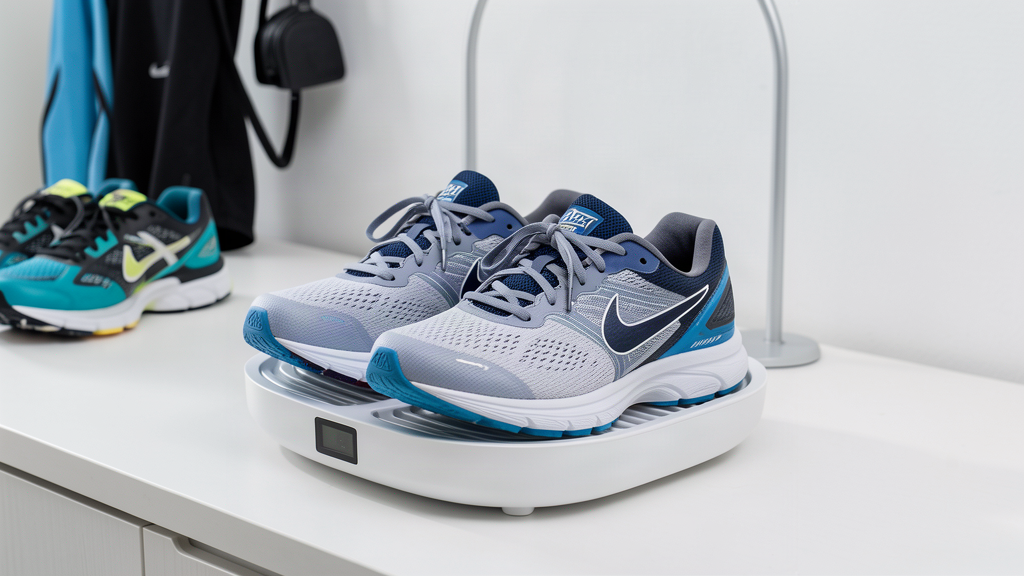
| Product | Best For | Heat | Tubes | Noise |
|---|---|---|---|---|
| PEET Original | Overall performance | Yes | 2 | Moderate |
| DryGuy Force Dry DX | Fast drying | Yes | 2 | Moderate |
| Kooder Portable | Travel | No | 2 | Quiet |
| JobSite Silent | Overnight drying | Yes | 2 | Very quiet |
| Dr. Prepare | Budget pick | Yes | 2 | Moderate |
The 5 Best Shoe Dryers for Running Shoes in 2026
1. PEET Original Electric Shoe and Boot Dryer Best Overall
The PEET Original has been a trusted name in shoe care for decades, and it remains our top recommendation for running shoes in 2026. Its thermal convection technology circulates warm air naturally without a fan, running quietly and drying shoes evenly without warping materials. The unit comes with two tubes that fit most running shoe sizes, and a 3-hour timer lets you set it and forget it.
Key Specs
| Specification | Detail |
|---|---|
| Heat type | Thermal convection (no fan) |
| Temperature | Up to 105°F |
| Tubes | 2 removable tubes |
| Timer | 3-hour auto shut-off |
| Warranty | 25-year limited warranty |
| Dimensions | 12 x 8 x 4 inches |
Pros
- ✅ Whisper-quiet operation — no fan noise at all
- ✅ Gentle thermal convection won’t damage mesh or glue
- ✅ 25-year warranty shows real confidence in durability
- ✅ Fits most running shoe sizes with adjustable tubes
- ✅ Auto shut-off timer prevents over-drying
Cons
- ❌ Slower than forced-air models — expect 8-12 hours for soaked shoes
- ❌ No heat setting adjustment — one temperature only
- ❌ Tubes can be stiff to insert into tight-fitting shoes
Our Take
The PEET Original is the shoe dryer we recommend most often for runners who want a reliable, no-fuss solution. Because it uses thermal convection rather than a fan, it produces no noise — a real advantage for overnight drying. The gentle warmth is safe for all running shoe materials, including engineered mesh, knit uppers, and EVA foam.
It is not the fastest option. If you need shoes dry in two hours, look at the DryGuy Force Dry DX instead. But for runners who can plan ahead, the PEET Original delivers consistent, safe drying year after year. The 25-year warranty is unmatched.
Best for: Runners who want a quiet, gentle, long-lasting dryer for overnight use.
2. DryGuy Force Dry DX Boot and Shoe Dryer Fastest Drying
The DryGuy Force Dry DX uses a powerful forced-air fan to blast warm air through its two tubes, cutting drying time dramatically. It offers three heat settings — high, low, and no heat — so you can match the intensity to your shoe material. A 3-hour timer with auto shut-off gives you peace of mind, and the included extension tubes accommodate taller boots as well as running shoes.
Key Specs
| Specification | Detail |
|---|---|
| Heat type | Forced air with fan |
| Temperature | Up to 105°F (high), 95°F (low) |
| Tubes | 2 tubes + 2 extension tubes |
| Timer | 3-hour auto shut-off |
| Warranty | 2-year limited warranty |
| Dimensions | 12 x 8 x 4 inches |
Pros
- ✅ Dries soaked shoes in 1-2 hours on high heat
- ✅ Three heat settings for different materials
- ✅ Extension tubes work for both shoes and boots
- ✅ Sturdy construction that holds up to daily use
- ✅ Auto shut-off prevents overheating
Cons
- ❌ Fan noise is noticeable — not ideal for light sleepers
- ❌ High heat may be too aggressive for delicate knit uppers
- ❌ Bulkier than convection-only models
Our Take
If speed is your priority, the DryGuy Force Dry DX is the clear winner. It can take a soaked pair of trail running shoes from dripping wet to fully dry in about 90 minutes on high heat. That kind of turnaround is invaluable for runners who train daily and need their shoes ready by morning.
The trade-off is noise. The fan produces a steady hum you will notice in a quiet room. For bedroom drying, we recommend the low heat setting, which is quieter and still effective. The extension tubes are a nice bonus if you also want to dry boots.
Best for: Runners who need shoes dry fast and don’t mind a little fan noise.
3. Kooder Portable Shoe Dryer Best for Travel
The Kooder Portable Shoe Dryer is built for runners who travel. It is compact, lightweight, and powered by USB, so you can plug it into a laptop, power bank, or wall adapter. It uses a gentle heating element with two tubes that slide into your shoes, and it runs quietly enough for hotel rooms. There is no fan, so drying is slower — but the portability makes it a smart backup.
Key Specs
| Specification | Detail |
|---|---|
| Heat type | Heating element (no fan) |
| Temperature | Up to 100°F |
| Tubes | 2 fixed tubes |
| Power | USB (5V) |
| Timer | No timer — manual shut-off |
| Dimensions | 8 x 4 x 3 inches |
Pros
- ✅ Ultra-compact and lightweight — fits in a carry-on
- ✅ USB powered — works with power banks and laptops
- ✅ Very quiet operation
- ✅ Affordable price point
- ✅ Simple one-button operation
Cons
- ❌ No timer — you must unplug it manually
- ❌ Slower drying than full-size units
- ❌ Fixed tubes may not fit all shoe shapes
Our Take
The Kooder Portable is not going to replace a full-size shoe dryer at home, but it fills an important niche for runners on the road. If you have ever traveled for a race with wet shoes from a rainy shakeout run, you know how valuable a small dryer can be. USB power means you can dry shoes in a hotel room without hunting for an adapter.
Just be realistic about expectations. This is a gentle dryer that works best for mildly damp shoes, not soaked pairs. Give it several hours, and it will get the job done. For daily home use, pair it with a larger model.
Best for: Travelers and runners who need a compact backup dryer for the gym bag.
4. JobSite Silent Boot and Shoe Dryer Best for Overnight
The JobSite Silent earns its name with a whisper-quiet fan that produces minimal noise even on the highest setting. It uses forced air with a gentle heat element and includes two tubes that fit most running shoes. A built-in timer lets you set drying sessions from 30 minutes to 3 hours, and auto shut-off ensures you never wake up to an overheated unit. The compact footprint makes it easy to leave on a bedroom floor.
Key Specs
| Specification | Detail |
|---|---|
| Heat type | Forced air with quiet fan |
| Temperature | Up to 100°F |
| Tubes | 2 removable tubes |
| Timer | 30 min – 3 hours, auto shut-off |
| Warranty | 1-year limited warranty |
| Dimensions | 10 x 6 x 4 inches |
Pros
- ✅ Extremely quiet — suitable for bedside use
- ✅ Flexible timer with 30-minute increments
- ✅ Gentle heat safe for most running shoe materials
- ✅ Compact and lightweight design
- ✅ Auto shut-off for safety
Cons
- ❌ Drying speed is moderate — not the fastest option
- ❌ Only one heat setting
- ❌ Build quality feels less premium than PEET or DryGuy
Our Take
The JobSite Silent is the dryer we recommend for runners who want to set it up before bed and forget about it. The fan noise is genuinely low — roughly the volume of a quiet conversation, easy to sleep through. The flexible timer lets you dial in a shorter session for mildly damp shoes or a full 3 hours for soaked pairs.
It does not dry as fast as the DryGuy Force Dry DX, and the plastic construction feels a step below the PEET Original. But for the price, it delivers solid overnight performance with minimal disturbance. If you are a light sleeper, this is a strong pick.
Best for: Runners who dry shoes overnight and prioritize quiet operation.
5. Dr. Prepare Boot and Shoe Dryer Best Budget
The Dr. Prepare Boot and Shoe Dryer offers solid performance at a price that undercuts most competitors. It uses forced air with a heating element and includes two tubes that fit most running shoes. A 3-hour timer with auto shut-off is standard, and the unit is compact enough to store in a closet. It is not the quietest or fastest dryer here, but it gets the job done.
Key Specs
| Specification | Detail |
|---|---|
| Heat type | Forced air with heating element |
| Temperature | Up to 105°F |
| Tubes | 2 removable tubes |
| Timer | 3-hour auto shut-off |
| Warranty | 1-year limited warranty |
| Dimensions | 11 x 7 x 4 inches |
Pros
- ✅ Affordable — great value for the price
- ✅ Heats up quickly and dries effectively
- ✅ Compact and easy to store
- ✅ Auto shut-off timer for safety
- ✅ Simple operation with one button
Cons
- ❌ Fan noise is noticeable on high setting
- ❌ Only one heat setting — no low-heat option
- ❌ Plastic construction feels less durable than premium models
Our Take
The Dr. Prepare is the shoe dryer we recommend for runners who want a reliable option without spending a lot. It handles the basics well: it heats up, blows air through the tubes, and shuts off automatically when the timer runs out. For casual runners who dry shoes a few times a month, it is more than capable.
Daily runners or those with expensive shoes may want to step up to the PEET Original or DryGuy Force Dry DX for better build quality and more control. But as a budget entry point, the Dr. Prepare delivers where it counts. If you are not sure whether a shoe dryer is worth it, this is a low-risk way to find out.
Best for: Budget-conscious runners who want a simple, effective dryer.
How to Choose the Best Shoe Dryer for Running Shoes
Not all shoe dryers are created equal. The right choice depends on how you run, where you dry your shoes, and your budget. Here are the key factors to consider.
Heat Type
Shoe dryers use one of two heat methods: thermal convection or forced air. Convection dryers like the PEET Original warm air naturally without a fan, making them silent but slower. Forced-air models like the DryGuy Force Dry DX use a fan to push warm air through the tubes, drying shoes faster but producing more noise. For overnight drying, convection is often better. For fast drying, forced air wins.
Temperature Control
Running shoes use a mix of materials — mesh, synthetic overlays, EVA foam, rubber — and not all tolerate high heat. Look for a dryer with at least two heat settings so you can use lower temperatures for delicate uppers and higher temperatures for soaked shoes. Most quality dryers top out around 100-105°F, warm enough to evaporate moisture without damaging adhesives or warping foam.
Tube Configuration
Two tubes are standard and sufficient for drying one pair of shoes at a time. Some models include extension tubes for taller boots. Make sure the tubes are removable for easy storage and cleaning. Fixed tubes can be harder to pack away and may not fit all shoe shapes, especially low-profile running shoes.
Noise Level
If you plan to dry shoes overnight in a bedroom or apartment, noise matters. Convection dryers are virtually silent, while forced-air models produce a steady hum. Some forced-air dryers, like the JobSite Silent, are engineered to run quieter than others. Check product descriptions for noise specifications, and read user reviews for a real-world sense of loudness.
Timer and Auto Shut-Off
A timer lets you set a drying session and walk away without worrying about over-drying or energy waste. Auto shut-off turns the unit off when the timer expires. Both are standard on most quality dryers, but budget models may lack a timer. We recommend choosing a dryer with at least a 3-hour timer and auto shut-off for convenience and safety.
How to Dry Running Shoes Properly: Step by Step
Using a shoe dryer correctly makes a big difference in how well your shoes dry and how long they last. Follow these steps every time.
- Remove the insoles. Pull out the insoles and dry them separately. This allows air to circulate inside the shoe and prevents moisture from getting trapped under the insole.
- Open the laces. Loosen the laces and pull the tongue forward. This opens up the shoe collar so the dryer tubes can slide in easily and air can reach the toe box.
- Insert the dryer tubes. Slide one tube into each shoe, pushing it as far toward the toe as it will go. Make sure the tubes are seated securely so air flows into the shoe rather than escaping around the collar.
- Select the heat setting. For most running shoes, start with the low or medium heat setting. Reserve high heat for thoroughly soaked shoes or durable materials like leather and synthetic overlays.
- Set the timer. For mildly damp shoes, 1-2 hours is usually enough. For soaked shoes, set the timer for the full 3 hours. If your dryer has a 30-minute increment option, use it to avoid over-drying.
- Let the dryer run. Once the timer is set, let the dryer run uninterrupted. Avoid opening the shoes to check on them mid-cycle, as this releases warm air and extends drying time.
- Cool down before wearing. When the timer expires, remove the tubes and let the shoes air out for 10-15 minutes before putting them on. This allows any remaining moisture to evaporate and prevents that “hot shoe” feeling.
Frequently asked questions
Can I use a shoe dryer on all types of running shoes?
Most running shoes are safe to dry with a shoe dryer, but check the manufacturer’s care instructions first. Shoes with delicate knit uppers, carbon fiber plates, or specialized foam compounds may require lower heat or air-drying only. When in doubt, use the lowest heat setting and monitor the shoes during the first cycle.
How long does it take to dry running shoes with a shoe dryer?
Drying time depends on the heat setting, the dryer type, and how wet the shoes are. Forced-air dryers on high heat can dry soaked shoes in 1-2 hours. Convection dryers typically take 8-12 hours. Mildly damp shoes usually dry in 1-3 hours on most settings.
Is it safe to leave a shoe dryer on overnight?
Yes, as long as your dryer has an auto shut-off timer. All five dryers on this list include auto shut-off, so you can set them before bed and let them turn off automatically. We still recommend placing the dryer on a hard, non-flammable surface away from curtains, bedding, or other flammable materials.
Can a shoe dryer remove odors from running shoes?
A shoe dryer helps reduce odors by removing the moisture that bacteria need to thrive. It will not eliminate odors entirely, but it will significantly reduce them over time. For best results, remove the insoles, wash them separately, and let the shoes dry completely before wearing them again. You can also sprinkle baking soda inside the shoes before drying to absorb smells.
What temperature is safe for running shoes?
Most running shoes tolerate temperatures up to 100-105°F without damage. Avoid exceeding this range, as high heat can break down adhesives, warp foam midsoles, and shrink synthetic materials. If your dryer has multiple heat settings, use the lowest setting that gets the job done.
Do I need a special dryer for trail running shoes?
No, a standard shoe dryer works fine for trail running shoes. Trail shoes often have more aggressive tread and thicker uppers, which can trap more moisture. You may need a longer drying cycle or higher heat to fully dry the deeper lugs and thicker materials. Otherwise, the same dryer and technique work.
How often should I dry my running shoes?
Dry your running shoes whenever they get wet — after rainy runs, sweaty workouts, or any time they feel damp. Do not wear wet shoes repeatedly, as this accelerates wear and increases the risk of blisters and fungal infections. If you run daily in wet conditions, rotate between two pairs so each dries fully between runs.
Final Verdict
After evaluating all five dryers, the PEET Original Electric Shoe and Boot Dryer remains our top pick for running shoes in 2026. Its silent operation, gentle heat, and unmatched 25-year warranty make it the best all-around choice for runners who want a reliable, long-lasting solution. It is not the fastest, but for overnight drying, nothing else combines quiet performance and durability as well.
If you need shoes dry fast, the DryGuy Force Dry DX is the better choice — just be prepared for some fan noise. For travelers, the Kooder Portable is a smart backup for your gym bag. And on a tight budget, the Dr. Prepare delivers solid performance without the premium price tag.
Whichever dryer you choose, use it consistently. Dry your running shoes after every wet run, and they will last longer, smell better, and perform better.