
How to Dry Boots in a Cold Climate
Drying boots in a cold climate is a different game from drying them in a warm house. When the temperature drops below freezing, the moisture in your boots doesn’t just sit there — it freezes, slows evaporation, and can damage materials if you rush the process. Whether you’re dealing with snow-soaked work boots or hiking boots soaked from a slushy trail, the approach you take matters.
We’ve put together this guide to walk you through the most effective methods for drying boots when it’s cold outside, what to avoid, and how to keep your boots in good season after season. The goal is simple: get them dry without ruining them.
Disclosure: Boot Dry Expert is reader-supported. As an Amazon Associate, we earn from qualifying purchases. This doesn’t change the price you pay, and it doesn’t change our recommendations.
Why Cold Climates Make Boot Drying Harder
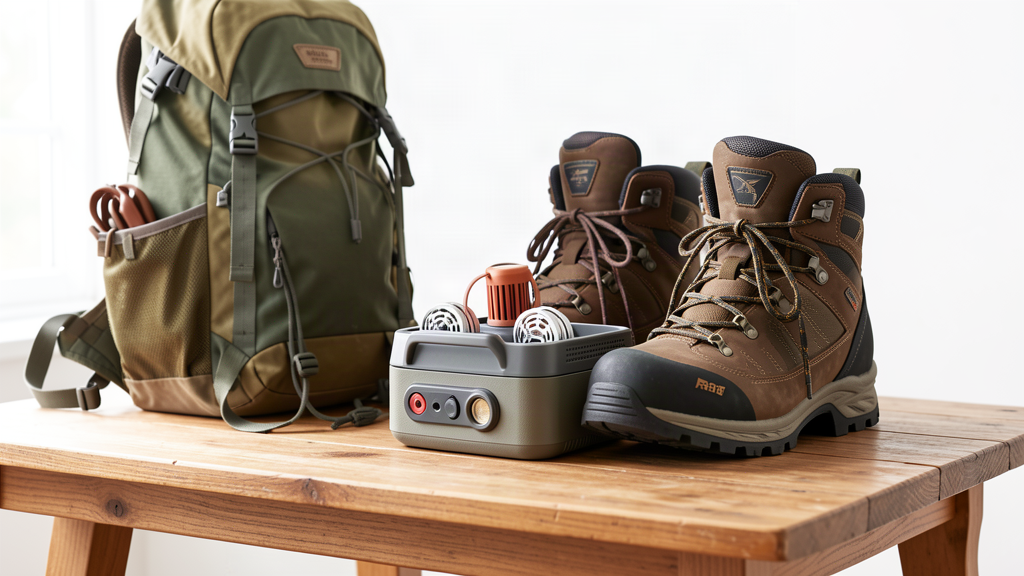
Cold air holds less moisture than warm air, which means evaporation slows down significantly when temperatures drop. If your boots are wet and you set them near a heater or in a cold garage, the water inside the material has nowhere to go. In freezing conditions, that moisture can actually turn to ice within the boot’s lining and midsole, making the drying process take far longer.
There’s also a material risk. Leather, synthetic fabrics, and adhesives all respond poorly to rapid temperature changes. Going from freezing cold to blasting hot air can cause leather to crack, glue to soften, and seams to separate. Understanding this balance — warm enough to evaporate, not so hot that materials suffer — is the foundation of drying boots successfully in winter.
Remove Excess Moisture First
Before you apply any heat or airflow, get as much surface moisture out of the boots as possible. Start by removing the insoles and laces. Insoles hold a surprising amount of water, and pulling them out exposes the footbed to air. Open the boots as wide as you can and stuff the inside with newspaper or a dry microfiber towel. The paper wicks moisture away from the lining and helps the boot keep its shape as it dries.
Wipe down the exterior with a towel to remove slush, snow, and surface water. Pay attention to the tongue, the area around the laces, and the seam where the upper meets the sole. The less water you start with, the faster and safer the drying process will be.
Choose the Right Drying Method
Not all drying methods work equally well in cold conditions. Here’s a quick breakdown of the most common approaches:
- Electric boot dryers — These push warm (not hot) air through tubes that extend into the boot. They’re the most reliable option in cold climates because they provide consistent, gentle airflow over several hours. A model like the PEET Original Electric Shoe and Boot Dryer is a popular choice for its quiet operation and no-heat airflow option.
- Forced-air room heaters or space heaters — Placing boots near a portable heater can work, but you need to keep them at least 12 to 18 inches away and monitor them closely. Too close and you risk damaging the material.
- Radiator or heating vent — A common household option, but radiators can get hot enough to damage leather or synthetic uppers. If you use this method, place boots a few inches away and check them every 30 minutes.
- Air-drying at room temperature — The safest but slowest method. In a cold climate, air-drying alone can take 24 to 48 hours, which isn’t practical if you need your boots again the next day.
For most people in cold climates, an electric boot dryer is the most practical investment. It removes the guesswork, runs overnight, and won’t damage your boots. If you’re looking for options, our roundup of the best boot dryers for work boots covers several models suited to heavy winter use.
Use a Boot Dryer for Consistent Results
Electric boot dryers are designed to do one thing well: move air through the interior of your boot at a temperature that won’t harm the materials. Most units blow air at around 105°F to 120°F — warm enough to speed evaporation but well below the threshold where leather or synthetics start to degrade. In a cold garage or mudroom, this gentle warmth makes a significant difference compared to passive air-drying.
To get the best results, insert the dryer tubes fully into each boot, making sure the air can circulate around the toe box and heel. If your dryer has a timer, set it for 3 to 4 hours for moderately wet boots, or leave it overnight for boots that are thoroughly soaked. Remove the insoles and dry them separately — most dryers come with attachments or you can lay them on top of the tubes.
One thing to keep in mind: even with a dryer, heavily soaked boots in freezing conditions may take longer than expected. Patience is better than cranking up the heat. If you’re comparing models, our guide on choosing the right boot dryer walks through the features that matter most for cold-weather use.
Air-Dry the Right Way When You Can’t Use Power
Sometimes you don’t have access to an electric dryer — maybe you’re camping, traveling, or dealing with a power outage. Air-drying still works, but you need to set it up properly. Place your boots in the warmest room in the house, ideally near (not on) a heat source. A spot near a heating vent or in a sunny window works well.
Stuff the boots with newspaper and replace it every few hours as it becomes damp. Position the boots upside down on a boot rack or hang them by the heels so gravity helps pull moisture out of the lining. If you have a small fan in the room, point it toward the boots to keep air moving. Stagnant air is the enemy of drying — even a gentle breeze cuts drying time significantly.
Avoid the temptation to place boots directly on a radiator, in front of a fireplace, or in a hot oven. These heat sources are almost always too intense and can warp soles, crack leather, and melt adhesive. Slow and steady wins this race.
Prevent Mold and Odor During Long Dries
When boots take a long time to dry — and in cold climates they often do — bacteria and mold can start to grow inside the lining. This is what causes that musty smell that lingers long after the boots are dry. The key is to keep air circulating and to address moisture before it becomes a problem.
If your boots have been wet for more than a few hours, consider using a boot dryer with a sanitizing feature, or treat the interior with a boot-specific antimicrobial spray once they’re fully dry. For leather boots, a conditioner applied after drying helps restore the natural oils that keep the material supple and resistant to moisture. For synthetic boots, make sure the lining is completely dry before storing them — even a small amount of trapped moisture can lead to odor over time.
Store your boots in a cool, dry place with good air circulation. Avoid plastic bags or airtight containers, which trap moisture and create the perfect environment for mold. A simple boot rack in a closet or mudroom works perfectly.
Know When Boots Are Truly Dry
It’s easy to think boots are dry when the exterior feels dry to the touch, but the interior lining and insole can still hold moisture. Press a finger firmly into the lining at the toe and heel — if it feels cool or clammy, there’s still moisture inside. Check the insole by pressing down on the footbed; dampness here is a common missed spot.
For leather boots, look for a consistent color across the upper. Darker patches often indicate remaining moisture. If you’re using a boot dryer, give the boots an extra hour beyond when they feel dry on the outside. That extra time ensures the deeper layers of the lining have fully dried out.
Our Recommendations
If you’re serious about keeping your boots dry through a cold winter, a dedicated boot dryer is the single most useful tool you can own. For heavy-duty work boots, check out our picks for the best boot dryers for work boots. If you’re trying to decide between features, sizes, and brands, our guide on how to choose a boot dryer breaks down what to look for. And if you want a specific model recommendation, the PEET Original Electric Shoe and Boot Dryer is a reliable starting point for most households.
Frequently Asked Questions
Can I dry boots in a cold garage?
Yes, but it will take much longer than drying them inside the house. Cold air holds less moisture, so evaporation slows down. If you must dry boots in a garage, use an electric boot dryer to provide warm airflow, and keep the garage door closed to prevent drafts. Expect the process to take twice as long as it would in a heated room.
Is it safe to put boots in the dryer?
No. A clothes dryer generates too much heat and tumbling action for most boots. It can warp soles, crack leather, shrink synthetic materials, and damage the drum of the dryer itself. Stick to purpose-built boot dryers or air-drying methods.
How long does it take to dry boots in cold weather?
With an electric boot dryer, moderately wet boots typically dry in 3 to 4 hours, while thoroughly soaked boots may take 6 to 8 hours or overnight. Air-drying in a cold climate can take 24 to 48 hours depending on humidity, temperature, and how wet the boots are. Removing insoles and stuffing boots with newspaper speeds up both methods.
Can I use a hair dryer to dry my boots?
You can, but it’s not ideal. Hair dryers blow air at a high temperature in a concentrated stream, which can overheat and damage leather or synthetic materials. If you use one, keep it on the lowest heat setting, hold it at least 6 inches from the boot, and keep it moving. A boot dryer is a safer and more effective option.
What temperature is safe for drying boots?
Stay below 120°F for most boot materials. Leather starts to degrade at sustained temperatures above 140°F, and synthetic materials can warp or melt at similar thresholds. Most quality boot dryers operate in the 105°F to 120°F range, which is warm enough to evaporate moisture without risking damage.
How do I stop my boots from smelling after drying them?
Make sure the boots are completely dry before storing them — even slight dampness leads to odor. Use an antimicrobial spray designed for footwear, and let the boots air out for a few hours after drying before putting them away. Stuffing them with cedar shoe trees or dryer sheets between uses also helps absorb residual moisture and keep them smelling fresh.
Conclusion
Drying boots in a cold climate takes a little more planning than tossing them by the heater, but the process is straightforward once you know the principles. Remove excess moisture first, use gentle and consistent warmth rather than intense heat, and give the boots enough time to dry all the way through. An electric boot dryer is the most reliable tool for the job, but even air-drying works when you set it up correctly. Treat your boots well in the winter, and they’ll keep your feet warm and dry for seasons to come.