
How to Dry Boots in a Marsh Area
Drying boots in a marsh area is one of the toughest challenges any boot owner faces. Between the standing water, thick mud, and high humidity, your boots can stay wet for days if you don’t handle them right. Whether you’re hunting, hiking, or working in wetland conditions, knowing how to properly dry your boots will extend their life and keep your feet comfortable.
The good news is that with the right approach, you can get even thoroughly soaked boots dry and ready for your next trip. The key is understanding how marsh conditions differ from regular wet weather, and adjusting your drying strategy accordingly. In this guide, we’ll walk you through the entire process, from the moment you step out of the marsh to when your boots are fully dry and odor-free.
Disclosure: Boot Dry Expert is reader-supported. As an Amazon Associate, we earn from qualifying purchases. This doesn’t change the price you pay, and it doesn’t change our recommendations.
Why Marsh Areas Are Tough on Boots
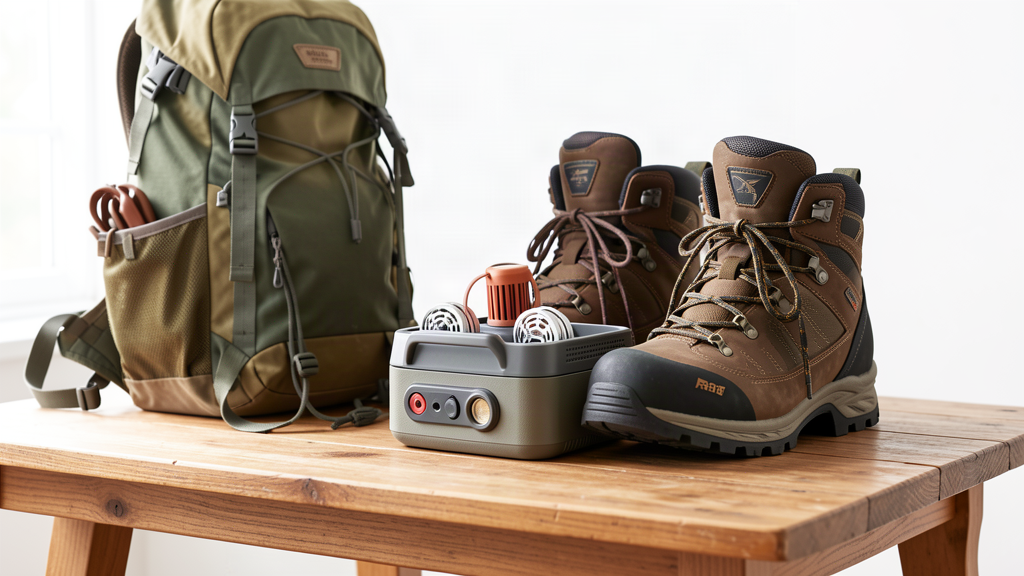
Marsh environments combine several factors that make drying difficult. The water is often stagnant and full of organic matter, which means it soaks deep into leather and fabric. The humidity in marsh areas can stay above 80% for days, slowing evaporation to a crawl. And the mud doesn’t just sit on the surface—it works its way into seams, eyelets, and stitching.
On top of that, marsh water often contains bacteria and fungi that can cause odors and break down boot materials over time. If you’ve ever pulled boots out of a swamp only to find they smell worse the next day, you’ve experienced this firsthand. Understanding these challenges helps you take the right steps from the start, rather than discovering problems days later when the damage is already done.
Get the Mud and Water Out First
Before you even think about drying, you need to remove as much mud and debris as possible. Start by knocking your boots together gently to dislodge clumps of mud. Use a soft brush or an old toothbrush to clean out mud from the tread, eyelets, and seams. If the mud is caked on, let it dry slightly first—it’s easier to brush off once it’s not fresh and slimy.
Next, remove the insoles if they’re removable. Insoles hold a surprising amount of water and mud, and they need to dry separately from the boot itself. Pull out the laces too, as they can trap moisture against the tongue and prevent airflow. If your boots have a waterproof liner, check it for standing water and blot it with a towel. The more moisture you remove at this stage, the less work your drying method has to do later.
Air Drying in Humid Conditions
In a marsh area, air drying alone often isn’t enough. The high humidity means moisture evaporates slowly, and boots can sit damp for 24 to 48 hours or more. If you’re camping or staying near the marsh, set your boots in a well-ventilated area with good airflow. A porch, a screened shelter, or even a breezy spot near your tent works better than a closed tent or cabin where moisture has nowhere to go.
Stuff the boots with newspaper or a dry cloth to help absorb moisture from the inside. Replace the newspaper every few hours as it becomes damp. Avoid placing boots directly on a heat source like a campfire or heater, as excessive heat can crack leather and damage adhesives. If you have access to a fan, point it at the boots to speed up evaporation. Even a small portable fan can make a noticeable difference in how quickly the outer material dries.
Using a Boot Dryer Effectively
A dedicated boot dryer is one of the most effective tools for drying boots in marsh conditions. These devices blow warm air into the boot interior, targeting the areas that stay wettest—the toe box, heel, and insole area. Look for a dryer with multiple tubes so you can dry both boots at once, and choose one with a timer so you don’t have to monitor it constantly throughout the day.
For marsh-soaked boots, run the dryer for at least two to three hours, or longer if the boots are heavily saturated. Some dryers have a setting for continuous operation, which is useful for overnight drying when you want to wake up to dry boots. If you’re considering a PEET Original Electric Shoe and Boot Dryer, you’ll find it handles most boot types well, though always check the manufacturer’s guidelines for your specific boot material. Leather boots, in particular, benefit from lower heat settings to prevent cracking.
Dealing with Odor and Mildew
Marsh water leaves behind organic material that feeds odor-causing bacteria. Even after your boots are dry, you may notice a musty smell that lingers for days. To combat this, sprinkle baking soda inside the boots and let it sit overnight. Baking soda absorbs odors without damaging the boot interior, and it’s safe for all common boot materials.
For more persistent odors, use a boot-specific odor eliminator or a mixture of white vinegar and water. Lightly spray the interior, then let the boots air dry again. If you spot any mildew—white or gray patches on the surface—wipe it down with a cloth dampened with vinegar, then dry thoroughly. Addressing odor and mildew early prevents them from becoming permanent problems that are much harder to eliminate later.
Drying Time Expectations
How long it takes to dry boots in a marsh area depends on several factors: the material of the boots, how soaked they are, the humidity level, and your drying method. Leather boots can take 24 to 48 hours to dry completely, even with a boot dryer running for several hours. Synthetic materials dry faster on the outside but can still hold moisture in the lining and insole, so don’t assume they’re dry just because the surface feels okay.
As a general rule, if the boots feel cool to the touch or you can feel moisture when you press on the leather, they’re not done drying. Don’t rush the process—wearing boots that are still damp can lead to blisters, foot odor, and accelerated wear on the interior lining. Plan ahead and give yourself enough time to dry boots thoroughly before your next outing. It’s better to wait an extra day than to head back out with boots that are still holding moisture.
Our Recommendations
If you frequently find yourself in marsh or wetland conditions, investing in a quality boot dryer is worth it. We recommend checking out our guide to the Best Boot Dryers for Work Boots for detailed reviews and comparisons of the top options. For general boot care tips that apply in any environment, our boot maintenance guide covers everything from cleaning to storage.
For a reliable dryer that handles most boot types, the PEET Original Electric Shoe and Boot Dryer is a solid choice. It’s been a popular option for years and works well for everything from work boots to hiking boots. Pair it with good ventilation and a little patience, and you’ll be able to handle even the wettest marsh conditions without ruining your footwear.
FAQ
How long does it take to dry boots in a marsh area?
It depends on the boot material and how wet they are, but expect 24 to 48 hours for leather boots and 12 to 24 hours for synthetic boots. Using a boot dryer can cut this time significantly, sometimes by half or more, depending on the humidity level and how saturated the boots are.
Can I use a hair dryer to dry my boots?
While a hair dryer can work in a pinch, it’s not ideal for thorough drying. The heat is often too concentrated and can damage leather or synthetic materials if you’re not careful. A dedicated boot dryer provides gentler, more even airflow that reaches the entire interior of the boot.
How do I prevent my boots from smelling after drying in marsh water?
Remove insoles and laces before drying, stuff boots with newspaper to absorb interior moisture, and use baking soda or a vinegar solution to neutralize odors. Make sure boots are completely dry before storing them, as even small amounts of trapped moisture can lead to musty smells developing over time.
Is it safe to dry boots near a campfire?
No. Direct heat from a campfire or heater can crack leather, warp soles, and damage adhesives that hold the boot together. Always dry boots at room temperature or with a boot dryer designed for the purpose. If you’re in a hurry, a fan pointed at the boots is a much safer option than any kind of direct heat source.
What if my boots are still wet after 48 hours?
Check that you’ve removed all insoles and laces, and make sure the boots are in a well-ventilated area with good airflow. If humidity is extremely high, consider using a boot dryer or running a dehumidifier in the room where the boots are drying. In particularly stubborn cases, replacing the newspaper or drying tubes more frequently can help pull out stubborn moisture.
Conclusion
Drying boots in a marsh area takes patience and the right approach, but it’s entirely manageable once you know what to do. Start by removing mud and debris, use a boot dryer for the interior, and give the boots plenty of time to air dry in a ventilated space. Address odors and mildew early, and always make sure boots are completely dry before wearing them again.
With these steps, you can keep your boots in good condition even after the wettest marsh adventures. The key is consistency—make proper drying part of your routine after every trip, and your boots will last seasons longer while keeping your feet comfortable and dry.