
How to Dry Boots in a Desert Cabin
Drying boots in a desert cabin sounds simple until you realize the dry air works against you at night. The same low humidity that makes desert days comfortable can leave your boots damp and cold by morning, especially if you have been hiking through morning dew or crossing a dry creek bed that is not so dry underneath.
We have put together this guide to help you get your boots dry and ready for the next day without cracking the leather, warping the soles, or waking up to boots that feel like they came out of a freezer. Whether you are staying in a rental cabin in Joshua Tree, a lodge near Moab, or a backcountry hut in the high desert, these methods will work for you.
Disclosure: Boot Dry Expert is reader-supported. As an Amazon Associate, we earn from qualifying purchases. This doesn’t change the price you pay, and it doesn’t change our recommendations.
Why Desert Cabins Are Tricky for Drying Boots
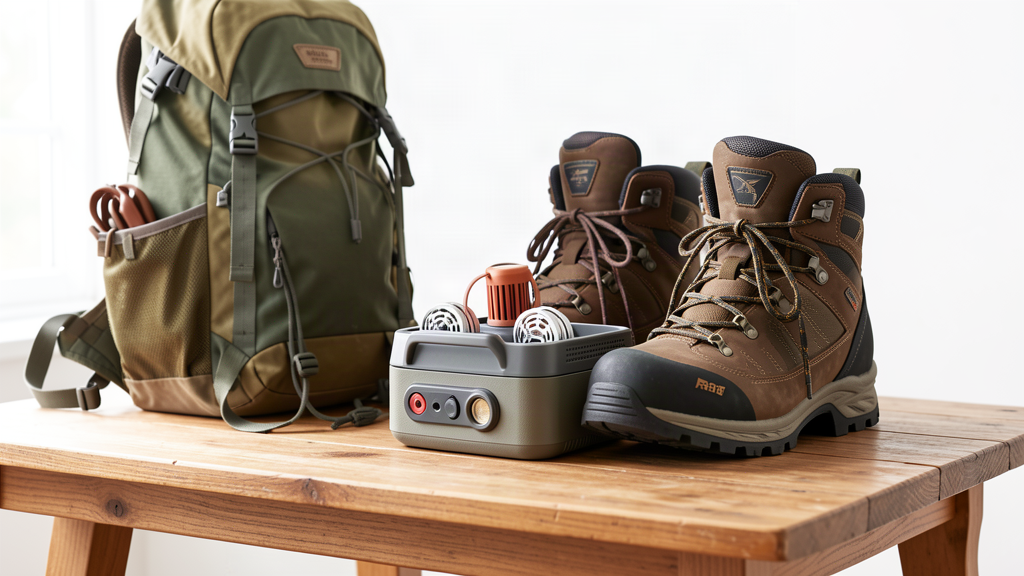
Desert environments are defined by low humidity, which should make drying easy. The problem is temperature swing. Desert days can reach 90°F or higher, but once the sun drops, temperatures can fall 40 or 50 degrees in a matter of hours. That means your boots go from warm and dry on the outside to cold and damp on the inside as the moisture trapped in the lining condenses against the cooler leather.
Most desert cabins are not well insulated. They were built to keep the heat out, not to hold warmth in. That works fine for keeping cool in July, but it means your boots will not benefit from residual cabin heat overnight. If you set them near a window, the glass can actually make things worse by radiating cold back toward the boots.
The other factor is dust. Desert cabins tend to have fine dust that finds its way onto every surface. Wet boots act like a magnet for that dust, and once it dries into the leather or the stitching, it is difficult to remove. You want to dry your boots in a spot that is clean and out of the main traffic path.
Air Drying in a Desert Climate
Air drying is the gentlest method and the one we recommend as your first approach in a desert cabin. The low humidity means moisture evaporates quickly, but you need to give it the right conditions. Start by removing the insoles and loosening the laces as far as they will go. Pull the tongue forward so air can circulate inside the boot.
Place the boots in a spot with good airflow but out of direct sunlight. A covered porch, a shaded patio, or a room with a fan works well. Direct sun on leather can cause it to fade and crack, and the temperature difference between the sunlit side and the shaded side can warp the sole. If you are using a fan, aim it so it blows across the boots rather than directly into them. You want air movement, not a concentrated blast.
Stuffing the boots with newspaper or a clean, dry cloth helps absorb moisture from the lining and keeps the shape of the boot while it dries. Replace the stuffing every few hours if it feels damp. In desert air, you will be surprised how much moisture comes out of a boot that only feels slightly damp on the outside.
For most boots, air drying in desert conditions takes 8 to 12 hours. Heavier leather boots with thick linings can take longer. If you are in a hurry, you can speed things up by placing the boots near a dehumidifier if the cabin has one, but do not put them directly on a heating vent or next to a space heater.
Using a Boot Dryer in a Desert Cabin
A boot dryer is the most reliable way to get boots fully dry overnight, and it is especially useful in a desert cabin where the air temperature drops after dark. Unlike air drying, a boot dryer provides consistent, gentle warmth that drives moisture out of the lining without overheating the leather.
When using a boot dryer in a desert cabin, set it up on a stable surface near an electrical outlet. Most cabins have limited outlets, so plan ahead if you are drying multiple pairs. Place the boots upright on the dryer tubes and let them run for the recommended cycle. Most boot dryers are designed to run overnight, so you can set them before bed and wake up to dry boots.
The key advantage of a boot dryer in the desert is that it does not rely on ambient humidity. Even if the cabin air is dry, the inside of a boot can stay damp because the moisture is trapped in the lining and the insole. A boot dryer forces warm air into the boot, pushing that moisture out. This is especially important for boots with waterproof membranes, which can hold moisture against your foot even when the outside feels dry.
If you are shopping for a boot dryer for desert cabin use, look for one with a timer and a low-heat setting. You do not need high heat in a dry climate, and lower heat is safer for leather. A dryer with extension tubes is also useful for taller boots, which are common for desert hiking where you need protection from sand and rocks.
You can browse options like the PEET Original Electric Shoe and Boot Dryer or similar models that offer consistent, gentle drying without excessive heat.
What Not to Do When Drying Boots in the Desert
The biggest mistake we see is putting boots too close to a heat source. Desert cabins often have wood stoves, propane heaters, or electric radiators, and it is tempting to set wet boots right next to them. Do not do this. High, direct heat can crack leather, melt adhesives, and cause the sole to separate from the upper. The damage is often irreversible.
Another common mistake is leaving boots in direct sunlight. The desert sun is intense, and even a few hours of direct exposure can fade and dry out leather. If you are drying boots on a porch or patio, make sure they are in full shade. A covered area with good airflow is always better than a sunny spot.
Do not put boots in a clothes dryer or use a hair dryer on high heat. The tumbling action can damage the structure of the boot, and the high heat can warp the sole and crack the leather. Stick to gentle, consistent warmth.
Finally, do not store boots while they are still damp. Even if the outside feels dry, the lining and insole can still hold moisture. Storing damp boots in a closet or under a bed invites mold and mildew, which is the last thing you want in a cabin where you are breathing that air all night.
Dealing with Sweat and Odor
Desert hiking is hot, and your feet sweat even when the air feels dry. That sweat soaks into the insole and the lining of the boot, and once it dries, it leaves behind salt and bacteria that cause odor. If you are staying in a cabin for multiple days, you need to address odor as part of your drying routine.
The simplest approach is to remove the insoles every night and let them dry separately. Insoles absorb the majority of sweat, and they dry much faster when they are out of the boot. If your insoles are washable, rinse them with water and let them air dry overnight. If they are not washable, wipe them down with a damp cloth and let them dry in the open air.
For the boots themselves, a boot dryer with a sanitizing feature can help reduce odor-causing bacteria. If your dryer does not have this feature, you can sprinkle a small amount of baking soda inside the boot after it is dry and let it sit overnight. Shake it out in the morning. Baking soda is gentle on leather and effective at absorbing odor.
Rotating between two pairs of boots, if you have them, gives each pair a full 24 hours to dry and air out. This is the best way to prevent odor buildup over a multi-day trip. If you only have one pair, make sure you are drying them thoroughly every night and giving them time in the open air during the day.
Our Recommendations
If you are looking for a boot dryer to use in a desert cabin, we recommend checking out our guide to the best boot dryers for work boots. That roundup covers models that handle heavy leather boots and offer the kind of consistent, gentle heat that works well in dry climates.
For more general advice on choosing a dryer, our boot dryer buying guide walks through the features to look for, including timer settings, heat levels, and tube configurations. Both resources will help you find a setup that works for your cabin trips.
Frequently Asked Questions
How long does it take to dry boots in a desert cabin?
With air drying alone, most boots take 8 to 12 hours in desert conditions. Using a boot dryer cuts that time significantly, often drying boots in 3 to 5 hours depending on the model and how wet the boots are.
Can I dry boots outside on a desert cabin porch?
Yes, as long as they are in full shade and out of direct sunlight. A covered porch with good airflow is ideal. Just be aware of dust, which can stick to damp leather. Wipe the boots down before bringing them inside.
Is it safe to use a boot dryer overnight in a cabin?
Most modern boot dryers are designed to run overnight and have built-in timers and safety features. That said, you should always follow the manufacturer’s instructions and make sure the dryer is on a stable, non-flammable surface away from curtains, bedding, or other combustible materials.
What temperature should I set my boot dryer to in the desert?
In a dry desert climate, you do not need high heat. A low or medium setting is sufficient and safer for leather. Most boot dryers operate in the range of 95°F to 120°F, which is warm enough to evaporate moisture without damaging materials.
How do I prevent my boots from smelling after a multi-day desert trip?
Remove and dry the insoles every night, use a boot dryer with a sanitizing feature if available, and sprinkle baking soda inside the boots after they are dry. Rotating between two pairs is the most effective long-term solution.
Conclusion
Drying boots in a desert cabin is not complicated once you understand the conditions. The dry air works in your favor during the day, but the temperature drop at night means you need a plan for overnight drying. Air drying works well for lightly damp boots, but a boot dryer is the most reliable way to ensure your boots are fully dry and ready for the next morning.
Avoid direct sunlight, high heat, and storing boots while they are still damp. Take care of the insoles and address odor as part of your routine, and your boots will last through many desert trips. With the right approach, you will never have to pull on cold, damp boots at sunrise again.