
How to Dry Boots Without Electricity
Wet boots don’t have to mean a trip to the store for a new dryer. Whether you’re camping, traveling, or just want to save on your power bill, plenty of effective methods can dry your boots without plugging anything in. The key is understanding how moisture moves out of boot materials and giving it the right conditions to escape.
We’ll walk through the most reliable no-electricity methods, from simple air drying to using your car’s heating system. Each approach works best in different situations, so you can pick the one that fits your circumstances.
Disclosure: Boot Dry Expert is reader-supported. As an Amazon Associate, we earn from qualifying purchases. This doesn’t change the price you pay, and it doesn’t change our recommendations.
Air Drying: The Foundation
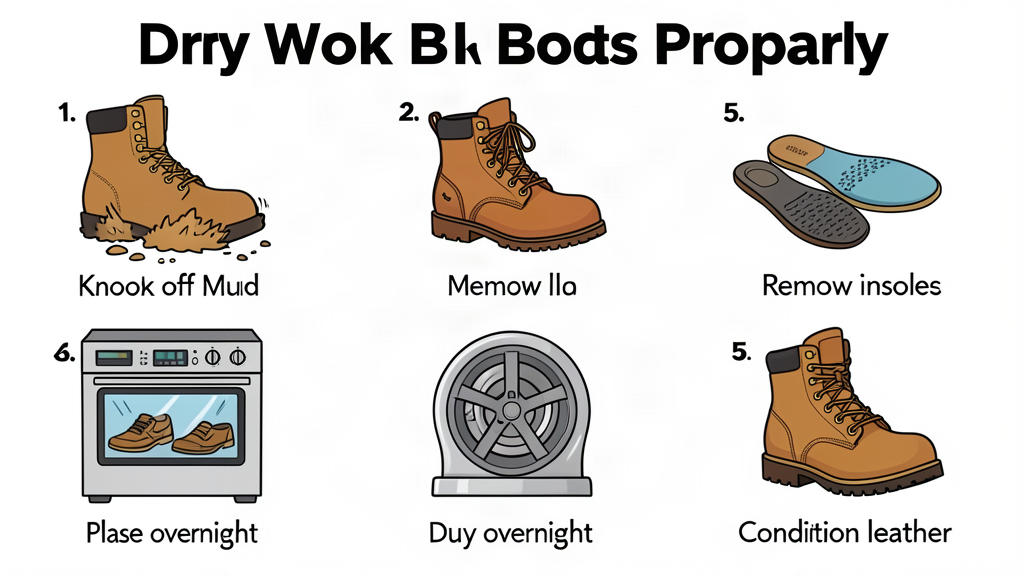
Air drying is the simplest and most accessible method. It requires no special equipment, no power source, and no cost. The principle is straightforward: moisture evaporates from the boot material into the surrounding air, and airflow carries that moisture away. The better the airflow, the faster the drying.
Start by removing the insoles and laces. Insoles trap moisture against the footbed, and laces can hold water against the tongue. Pull the tongue forward and open the boot as wide as you can. Place the boots in a well-ventilated area — near an open window, a doorway, or a spot where air circulates naturally. If you have a fan, even a battery-powered one, position it to blow air across or into the boots.
For most boots, air drying takes 12 to 24 hours depending on how soaked they are and the humidity level. Leather boots take longer than synthetic materials because leather is denser and holds more moisture. If you’re in a humid climate, expect the process to take closer to the full day.
Stuffing with Absorbent Materials
Stuffing your boots with absorbent material speeds up drying significantly. Newspaper is the classic choice — it’s cheap, widely available, and surprisingly effective at wicking moisture. Crumple newspaper into loose balls and stuff them inside the boot, pressing them down into the toe box and filling the shaft. For tall boots that go 10 inches or higher, stuff the shaft in layers. The stuffing also helps the boot hold its shape while it dries, which prevents creasing and cracking in leather.
Clean towels work too. Roll them tightly and stuff them inside the boot, or wrap them around the exterior to absorb surface water. Replace or re-roll the stuffing every 30 to 60 minutes as it becomes damp. This method works best when combined with air drying — stuff the boots, place them in a ventilated area, and let the absorbent material do the heavy lifting.
Using Your Car’s Heating System
If you’re traveling or commuting, your car’s heating system is a surprisingly effective boot dryer. The defroster pushes warm, dry air through the vents, and the enclosed space of a car cabin holds that heat well. Place the boots on the floor near the vents or on the dashboard, using the defroster setting at a moderate heat level. Position the boots so warm air flows into the opening.
Never place boots in a way that blocks your visibility or interferes with driving. Also, don’t leave boots on the dashboard in direct sunlight for extended periods — the combination of heat and UV can fade and crack leather. With the defroster running, most damp boots dry in one to two hours of driving. This method is faster than passive air drying because the air is both warm and moving.
Sun and Wind Drying
On a clear, breezy day, the sun and wind together make a powerful drying combination. The sun warms the boot material, which encourages moisture to evaporate, and the wind carries the evaporated moisture away. Place the boots in direct sunlight with the openings facing up. Remove the insoles and laces, and pull the tongue forward to expose the interior. If you have a clothesline or a railing, hang the boots by the laces so air circulates through them from all angles.
Rotate the boots every 30 to 60 minutes so all sides get equal sun exposure. This prevents one side from drying faster than the other, which can cause uneven shrinkage or warping. For synthetic boots, sun drying is usually safe and effective. For leather boots, limit direct sun exposure to a few hours — prolonged UV can dry out and fade leather. A steady breeze can dry damp boots in two to four hours, even without much sun.
The Freezer Method for Odor Control
This method doesn’t dry boots, but it solves one of the biggest problems that comes with drying boots without electricity: odor. When boots stay damp for hours or days, bacteria thrive in the moisture and produce the smell that lingers long after the boots are dry. Place your boots in a large plastic bag, seal it tightly, and put them in the freezer overnight. The cold temperature kills the odor-causing bacteria without damaging the boot material.
In the morning, remove the boots and let them come to room temperature before wearing them. This trick is especially useful for boots that have been air drying for a day or more and have started to smell. Keep in mind that this method addresses odor, not moisture — your boots will still be wet when you take them out of the freezer. Use it alongside one of the drying methods above for the best results.
Using a Boot Tree or Form
A boot tree or shoe form isn’t a drying method on its own, but it’s a valuable tool that supports every other method. A cedar boot tree absorbs moisture from the interior lining, helps the boot hold its shape, and naturally resists odor. Insert the boot tree into the boot as soon as you take it off. The cedar wood will start absorbing moisture immediately. For leather boots, a boot tree is especially important because wet leather is prone to creasing and cracking as it dries.
If you don’t have a boot tree, a rolled-up towel or wadded newspaper can serve as a makeshift form. The goal is to fill the interior so the boot keeps its shape and air can circulate around the lining. This is a small step that makes a noticeable difference in how your boots look and feel after drying.
Avoiding Common Mistakes
Some drying methods do more harm than good. Never put boots directly on a radiator, in front of a space heater, or in an oven. Temperatures above 120°F can warp soles, crack leather, melt adhesives, and damage waterproof membranes. Don’t leave wet boots in a closed suitcase, gym bag, or plastic bin — trapped moisture breeds bacteria and mold, which causes odor and breaks down the boot material.
Finally, don’t wear boots that are still damp inside. Even if the exterior feels dry, a damp interior will make your feet cold and uncomfortable, and it creates the perfect environment for blisters and fungal infections. Give them the extra hour — your feet will thank you.
Our Recommendations
If you find yourself drying boots without electricity frequently, a portable boot dryer is worth considering for when you do have power. For heavy-duty work boots, see our guide to the best boot dryers for work boots. For a broader look at the top options overall, check out our best boot dryers guide.
You can also browse specific models on Amazon, such as the PEET Original Electric Shoe and Boot Dryer or the JobSite Boot Dryer. Both are well-regarded options that handle the drying process efficiently when electricity is available.
Frequently Asked Questions
Can I dry boots without any electricity at all?
Yes. Air drying, stuffing with absorbent materials, using your car’s heating system, and sun and wind drying are all effective methods that require no electricity. The trade-off is time — these methods take longer than electric dryers, but they work well when you have a few hours to let the boots dry naturally.
How long does it take to air dry boots?
Air drying typically takes 12 to 24 hours for most boots, depending on how soaked they are and the humidity level. Leather boots take longer than synthetic materials because leather is denser and holds more moisture. Stuffing the boots with newspaper or towels can cut that time roughly in half.
Is it safe to dry boots in the sun?
Yes, with caution. Sunlight helps dry boots faster, but prolonged direct exposure can fade and crack leather. Limit leather boots to a few hours of direct sun, and rotate them regularly. Synthetic and rubber boots tolerate sun exposure better, but it’s still best to avoid leaving them in harsh midday sun for hours on end.
Can I use a hair dryer on leather boots?
Yes, as long as you use the lowest heat setting and keep the nozzle at least 6 inches away from the leather. Move it constantly and stop as soon as the surface feels dry. High heat dries out leather and causes cracking, so less is more.
How do I prevent boots from smelling while they dry?
The key is airflow and moisture removal. Odor-causing bacteria thrive in damp, still environments. Remove the insoles, stuff the boots with newspaper to pull moisture out quickly, and place them in a well-ventilated area. If odor develops despite your efforts, the freezer method can kill the bacteria causing the smell.
What’s the fastest way to dry boots without electricity?
Using your car’s heating system is the fastest no-electricity method. The defroster pushes warm, dry air into the cabin, and the enclosed space holds the heat well. Most damp boots dry in one to two hours of driving. For a stationary option, combining sun, wind, and absorbent stuffing is the next best choice.
Conclusion
Drying boots without electricity comes down to patience and the right conditions. Remove the insoles, stuff the boots with absorbent material, and get air moving — whether that’s natural breeze, your car’s defroster, or a sunny windowsill. Avoid high heat, be patient with leather, and your boots will be ready when you need them. No outlet required.