
Boot Dryer Buying Mistakes to Avoid
Buying a boot dryer seems simple until you realize how many ways it can go wrong. You pick one that looks good in the photos, it arrives, and then it barely reaches the toes of your work boots — or it sounds like a jet engine every night. The right dryer should be quiet, fast, and built to last. The wrong one wastes your time and can even damage your boots.
We have seen every mistake in the book, and most of them come down to a handful of common oversights. Here are the ones that matter most, so you can avoid them and buy with confidence.
Disclosure: Boot Dry Expert is reader-supported. As an Amazon Associate, we earn from qualifying purchases. This doesn’t change the price you pay, and it doesn’t change our recommendations.
1. Buying the Wrong Size for Your Boots
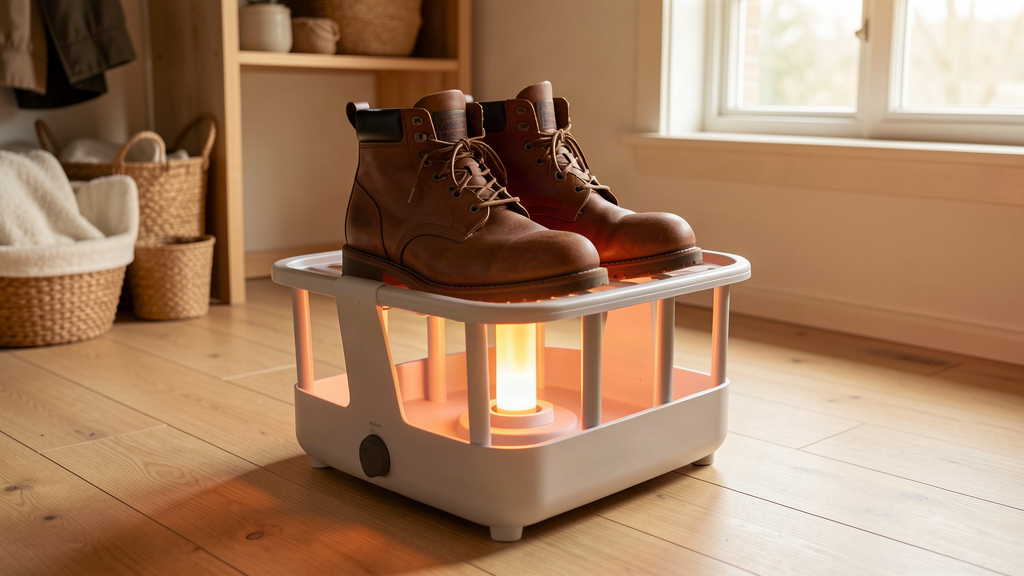
This is the most common mistake, and it is easy to make. Many boot dryers are designed for shoes or ankle-height footwear. If you own tall work boots, cowboy boots, or knee-high rain boots, a compact dryer simply will not reach the areas that stay wettest — the toe box and the upper shaft.
Before you buy, check the dryer’s tube height and extension options. Look for models that explicitly state they handle boots up to a certain height in inches. If the product description only mentions shoes, assume it will struggle with anything above the ankle. A dryer that cannot reach the top of your boot leaves damp leather sitting against your skin, which invites odor and accelerates wear.
The fix is straightforward: measure your tallest boot from sole to top, then choose a dryer rated for at least that height. If you own multiple pairs at different heights, pick the dryer that covers your tallest pair. It will handle shorter boots just fine.
2. Ignoring Drying Time and Heat Settings
Not all dryers work at the same speed, and not all boots tolerate the same heat. A unit that takes eight hours to dry a soaked pair of boots is not convenient — it is a bottleneck. On the flip side, a dryer that blasts high heat without a low setting can warp synthetic materials, shrink leather, or weaken adhesives over time.
Pay attention to the manufacturer’s stated drying time for wet boots, not just damp ones. A dryer that handles lightly damp shoes in an hour may take four hours for fully soaked boots. Also look for adjustable heat or a dedicated low-heat mode. Leather and synthetic blends both benefit from gentler air at lower temperatures, especially if you dry your boots frequently.
If you live in a cold climate or dry your boots overnight, a longer cycle is less of an issue. But if you need boots ready by morning, drying time becomes a deciding factor. Match the dryer’s speed to your routine, not just its price.
3. Overlooking Noise Levels
Boot dryers run for hours at a stretch, often overnight or while you are in the next room. A loud unit can disrupt sleep, make conversation annoying, or simply become a background irritation you grow to hate. Noise is one of those specs that gets ignored until you are living with it every night.
Look for dryers that advertise quiet operation or specify a decibel rating. As a rough guide, anything under 50 decibels is comparable to a quiet conversation and should not disturb a household. Units with larger fans or cheaper motors tend to run louder, so read user reviews specifically for noise complaints.
4. Choosing a Dryer Without a Timer or Auto-Shutoff
A dryer that runs indefinitely is a fire risk and an energy waste. Worse, over-drying can make leather brittle and crack stitching. A built-in timer or auto-shutoff feature lets you set the cycle and walk away without worrying about the unit running all day.
Some dryers offer preset cycles — 30 minutes, 60 minutes, 90 minutes — while others let you dial in a specific time. Either approach works, as long as the dryer stops on its own. If a model requires you to unplug it manually, that is a red flag for both safety and convenience.
Auto-shutoff also protects your boots. Leaving a dryer running for hours after the boots are already dry serves no purpose and only adds wear to the heating element. A timer pays for itself the first time you forget to unplug the unit before leaving the house.
5. Not Considering Boot Material Compatibility
Different boot materials have different drying needs. Leather is durable but can crack if overheated. Synthetic fabrics dry faster but may warp under high temperatures. Suede and nubuck require gentle airflow to avoid damaging the nap. If you own boots made from multiple materials, a one-size-fits-all dryer may not serve them well.
Check whether the dryer offers multiple heat settings or a cool-air mode. Cool air is essential for delicate materials and for boots with glued soles, where excessive heat can soften the adhesive. A dryer with only a single high-heat setting limits the types of footwear it can safely handle.
If you primarily dry rugged work boots, heat tolerance is less of a concern. But if you rotate between dress boots, hiking boots, and synthetic athletic shoes, material compatibility should rank high on your priority list.
6. Skimping on Build Quality and Warranty
A boot dryer is a long-term appliance, not a disposable gadget. Cheap units with flimsy plastic housings, thin tubing, and underpowered motors tend to fail within a season or two. When they do, you are back to square one — and out the money you thought you saved.
Look for dryers with a solid warranty, ideally one year or longer. A longer warranty signals that the manufacturer stands behind the product. Also check the construction of the drying tubes — rigid or semi-rigid tubes hold their shape better than flimsy corrugated hoses that collapse under the weight of a boot.
Read reviews that mention long-term use, not just first impressions. A dryer that works well on day one but fails by month six is a poor investment. Spending a little more upfront for a unit with a proven track record saves money and frustration over time.
Our Recommendations
If you want a curated starting point, we have put together detailed roundups that compare top models across different categories. For heavy-duty work boots, see our guide to the best boot dryers for work boots. For a broader look at the top options overall, check out our best boot dryers guide. Both posts break down the strengths and weaknesses of each model so you can match a dryer to your specific needs.
You can also browse specific models on Amazon, such as the PEET Original Electric Shoe and Boot Dryer or the JobSite Boot Dryer. Both are well-regarded options that address many of the mistakes listed above.
Frequently Asked Questions
How long should a boot dryer last?
A quality boot dryer should last several years with regular use. Units with metal components and robust motors tend to outlast budget models that rely on thin plastic and underpowered fans. Proper use — not overloading the tubes and keeping the unit clean — also extends its lifespan.
Can I use a boot dryer on all types of boots?
Most dryers work on leather, synthetic, and rubber boots, but delicate materials like suede require a cool-air setting. Always check the manufacturer’s guidelines for material compatibility. If your boots have glued soles, avoid high heat to prevent the adhesive from softening.
Is it safe to leave a boot dryer running overnight?
Yes, provided the dryer has an auto-shutoff or timer feature. These safety mechanisms stop the cycle after a set period, reducing fire risk and preventing over-drying. A dryer without these features should not be left unattended for long stretches.
What temperature is safe for drying boots?
Most boots dry safely at temperatures between 100°F and 140°F. Leather and synthetic materials both tolerate this range well. Exceeding 140°F increases the risk of warping, shrinking, or damaging adhesives. If your dryer lacks temperature control, monitor the cycle and avoid over-drying.
Do boot dryers use a lot of electricity?
Boot dryers are relatively low-power appliances, typically using between 100 and 300 watts. Running one for a few hours per night adds only a small amount to your monthly energy bill. Models with timers and auto-shutoff help keep energy use in check by stopping the cycle once the boots are dry.
Can I dry two pairs of boots at once?
Some dryers come with dual tubes or extension kits that allow you to dry two pairs simultaneously. Check the product specifications to confirm this capability. Drying one pair at a time is always faster and more thorough, but a dual setup is convenient if you need multiple pairs ready by morning.
Conclusion
Avoiding these six mistakes will steer you toward a boot dryer that actually works for your boots, your schedule, and your household. Size, drying time, noise, safety features, material compatibility, and build quality — each one matters. Take a few minutes to evaluate your needs against these criteria, and you will end up with a dryer that earns its place in your entryway for years to come.