
How to Choose the Right Boot Dryer Size
Choosing the right boot dryer size can mean the difference between dry boots by morning and a damp, uncomfortable fit. Too small, and your boots won’t fit on the drying tubes. Too large, and you waste energy heating air that never reaches the toe box. It’s a simple decision that most people get wrong.
We see this mistake all the time. People buy a dryer based on price or brand name without checking whether it actually accommodates their boots. This guide walks you through exactly what to measure, what to look for, and how to match a dryer to your specific footwear. No guesswork, no returns.
Disclosure: Boot Dry Expert is reader-supported. As an Amazon Associate, we earn from qualifying purchases. This doesn’t change the price you pay, and it doesn’t change our recommendations.
Why Boot Dryer Size Matters
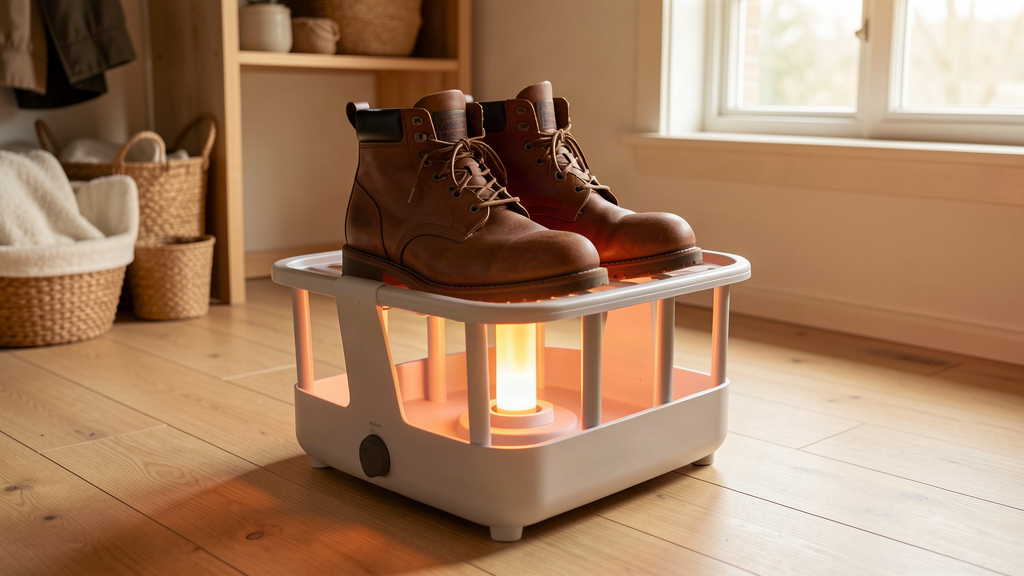
A boot dryer that’s too small simply won’t work. If the drying tubes don’t extend far enough into the boot shaft, moisture lingers in the upper areas and around the collar. You end up with boots that feel dry at the toe but stay damp near the top, which is exactly where bacteria and odor develop. Over time, that trapped moisture breaks down insulation and weakens seams.
An oversized dryer isn’t just wasteful. It can dry boots too quickly on the outside while the interior stays wet, creating a false sense of progress. The right size ensures warm air circulates evenly from toe to top, cutting drying time and protecting your boots’ materials. You also avoid overworking the motor, which extends the life of the dryer itself.
Size also affects energy efficiency. A dryer that’s too large for your boots heats more air than necessary, driving up your electricity bill for no benefit. A properly sized unit heats only the air volume needed to dry your specific boots, which saves energy and reduces wear on the heating element.
Measure Your Boots First
Before you start comparing dryers, grab a tape measure. You need two numbers: the height of your tallest boot from sole to collar, and the width of the opening at the top. Most boot dryers list a maximum boot height in inches, so knowing your measurement lets you filter out models that won’t work. Write these numbers down and keep them handy while you shop.
Don’t forget to account for insoles. If you use thick aftermarket insoles, they take up interior space and can affect how well air circulates. Measure your boots with the insoles in place for the most accurate fit. If you rotate between different insoles, measure with the thickest pair.
It’s also worth measuring the space where you plan to run the dryer. A full-size dual-port unit needs more counter or floor space than a compact single-boot model. If you’re working with a small mudroom or closet, that footprint matters as much as the boot capacity. Leave a few inches of clearance around the unit for proper ventilation.
One common mistake is measuring only one boot. If you own multiple pairs, measure the tallest and widest pair. That way, you know the dryer will handle everything in your collection, not just your everyday boots.
Understand Dryer Capacity Types
Boot dryers generally fall into three size categories. Compact models handle one boot at a time and are ideal for travel or small spaces. Standard single-port dryers accommodate one pair and work well for most households. Dual-port or multi-port units dry two or more pairs simultaneously, which is handy for families or anyone who owns several pairs of boots.
Within each category, you’ll find fixed tubes and extendable tubes. Fixed tubes are simpler and often more durable, but they limit you to a specific boot height. Extendable tubes adjust to different shaft heights, giving you more flexibility if you own boots of varying sizes. Some models offer tubes that telescope to several preset heights, while others have removable extensions.
Some dryers also offer modular designs where you can add or remove ports. These are versatile but tend to have a larger base footprint. Consider whether you value flexibility or simplicity more when choosing between fixed and modular systems. If you only ever dry one pair at a time, a compact model is usually the smarter buy.
Think about your typical drying routine. If you come home from work and need both boots dry by morning, a dual-port model saves you from running two separate cycles. If you only occasionally dry a single pair, a compact unit is more practical and takes up less storage space.
Match the Dryer to Your Boot Style
Different boot styles have different drying needs. Work boots are typically 8 to 10 inches tall and relatively narrow, so most standard dryers handle them easily. Hiking boots vary widely, from low-cut trail shoes to mid-height backpacking boots, so check your specific pair’s measurements before assuming a dryer will fit.
Hunting boots and winter boots are often the tallest, sometimes reaching 14 inches or more. These require dryers with extended tubes or taller ports. If you own insulated boots, remember that they hold more moisture and may need longer drying cycles, so a dryer with adjustable heat settings gives you more control. Look for models that offer both heat and no-heat options for versatility.
For specialty boots like waders or rubber boots, look for dryers with wider tube openings or specialized attachments. These boots have unique shapes that don’t always fit standard drying tubes, so compatibility is key. Some manufacturers offer optional attachments for specific boot types, which can save you from buying a separate dryer.
Don’t overlook the material composition of your boots. Leather boots are more sensitive to heat than synthetic materials, so a dryer with adjustable temperature settings is worth considering if you own high-end leather footwear. Synthetic boots can tolerate higher temperatures, but excessive heat can still break down adhesives over time.
Our Recommendations
If you’re looking for specific product recommendations, we’ve put together several detailed guides. Check out our roundup of the best boot dryers for work boots if you need something rugged and reliable for daily use. For a broader overview of top-rated models, see our general boot dryer reviews.
These guides cover a range of sizes and capacities, so you can find a dryer that matches your specific boot collection and drying needs. We update them regularly as new models come to market.
Frequently Asked Questions
What size boot dryer do I need for work boots?
Most work boots are 8 to 10 inches tall, so a standard single-port dryer with a maximum height of 12 inches or more will handle them comfortably. If you own taller work boots, look for a model with extendable tubes or a higher maximum height rating.
Can I dry two pairs of boots at once?
Yes, if you choose a dual-port or multi-port dryer. These models have two or more drying tubes and can handle multiple pairs simultaneously. They’re larger and use more energy, but they save time if you regularly dry several pairs.
How do I know if a dryer will fit my boots?
Check the manufacturer’s specifications for maximum boot height and tube width. Compare those numbers to your own measurements. If your boots are close to the maximum, read customer reviews to see if other users with similar boot styles report a good fit.
Are compact boot dryers effective?
Compact dryers work well for light to moderate drying and travel use. They’re less powerful than full-size models, so they take longer to dry heavily soaked boots. For daily home use with very wet boots, a full-size dryer is more efficient.
What temperature is safe for drying boots?
Most boot dryers operate between 100°F and 120°F, which is safe for the majority of boot materials. Avoid temperatures above 140°F, as excessive heat can damage adhesives, warp synthetic materials, and crack leather. If your dryer has adjustable heat, start low and increase only if needed.
Can I use a boot dryer for other items?
Many boot dryers can also dry gloves, hats, and other small gear. Some models come with attachments for this purpose. Check the product specifications to see if your dryer supports additional items. Forced-air models are generally more versatile for drying non-boot items.
Conclusion
Choosing the right boot dryer size comes down to three simple steps: measure your boots, understand the capacity types, and match the dryer to your specific footwear. Take five minutes to get your measurements before you buy, and you’ll avoid the frustration of a dryer that doesn’t fit.
Whether you need a compact unit for travel or a dual-port dryer for the whole family, the right size is out there. Use our recommendations above as a starting point, and you’ll have dry, comfortable boots ready for your next outing.