
How to Dry Boots on a Sidewalk
Drying boots on a sidewalk is a practical skill for anyone who works outdoors, travels light, or just got caught in a downpour without a dryer handy. Whether you’re a construction worker, hiker, or commuter, knowing how to get your boots dry and ready for the next day saves you from soggy mornings and extends the life of your footwear.
The good news is that sidewalk drying doesn’t require special equipment or a garage full of tools. With a few smart techniques and a little patience, you can dry most boots effectively using nothing more than sun, airflow, and the right positioning. Here’s how we do it.
Disclosure: Boot Dry Expert is reader-supported. As an Amazon Associate, we earn from qualifying purchases. This doesn’t change the price you pay, and it doesn’t change our recommendations.
Why Dry Boots on a Sidewalk?
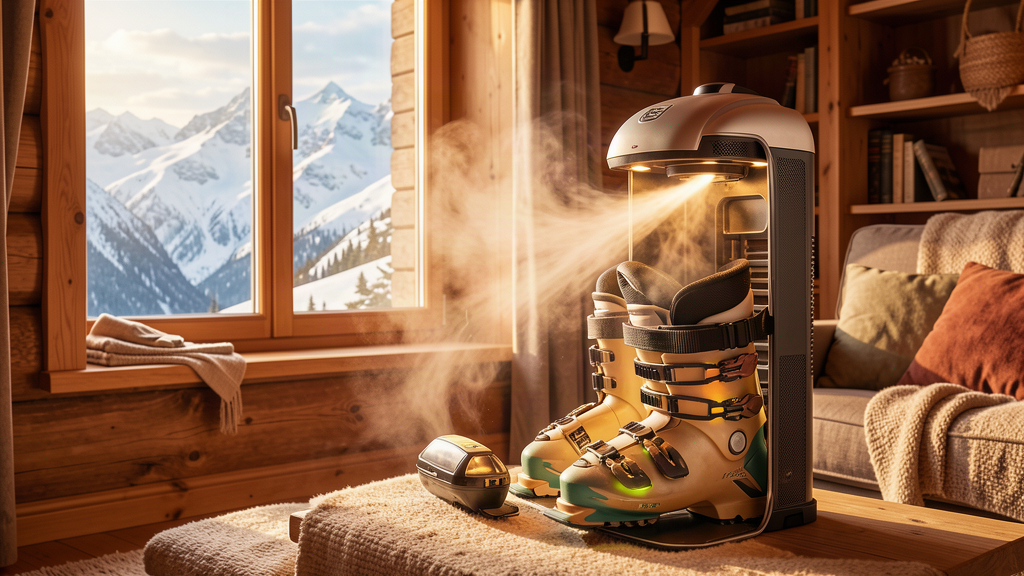
Sometimes a boot dryer isn’t an option. You might be traveling, working a remote job site, or your dryer broke mid-winter. Sidewalk drying is the fallback that works almost anywhere. It’s free, it’s fast when conditions are right, and it doesn’t require electricity or a garage.
The key is understanding that drying boots outdoors is about managing three things: heat, airflow, and time. Get those three right and your boots will be dry by morning. Get them wrong and you’ll end up with damp insoles, stiff leather, and boots that smell worse than when you started.
Sidewalk drying also works in a pinch when you’re staying somewhere without laundry facilities. Hotels, campgrounds, and job sites often lack dryers, but they almost always have a sunny patch of concrete. Knowing how to use it effectively turns a soggy problem into a minor inconvenience.
What You’ll Need
You don’t need much. Here’s the basic setup:
- A dry, clean sidewalk or concrete surface
- Direct sunlight if possible, or at least a breezy spot
- Boot trees, crumpled newspaper, or a wire rack to hold shape and promote airflow
- A towel for the initial wipe-down
- Optional: a small fan if you’re drying near an outdoor outlet
That’s it. No special chemicals, no expensive gadgets. Just the right approach and a little attention to detail. Most of these items you probably already have at home or can improvise with things lying around.
Step-by-Step: How to Dry Boots on a Sidewalk
Step 1: Remove the Insoles and Laces
Insoles hold the most moisture and dry slowest. Take them out and set them separately in the sun. Loosen the laces fully so air can circulate inside the boot. If the laces are wet, drape them over the boot shaft or lay them flat on the sidewalk to dry.
Step 2: Wipe Down the Exterior
Use a towel to remove surface water, mud, and debris. The less water on the outside, the faster the drying process. Pay attention to seams, stitching, and the welt where the upper meets the sole. These areas collect water and take the longest to dry.
Step 3: Position the Boots for Maximum Airflow
Stand the boots upright on their heels with the openings facing the sun. If you have a wire rack or boot trees, use them to keep the shafts open. The goal is to let warm air rise through the boot and carry moisture out. Stuffing the boots loosely with crumpled newspaper helps absorb interior moisture and maintains the boot’s shape.
Step 4: Choose the Right Spot
Look for a sidewalk that gets direct sunlight for most of the day. South-facing surfaces in the Northern Hemisphere get the most sun. Avoid shaded areas, damp spots, or places where water pools. A slight breeze helps too, as moving air carries moisture away faster than still air. If you’re drying near a building, position the boots where they’ll get reflected heat from the wall without being in a shadow.
Step 5: Rotate and Check Every Few Hours
Turn the boots so all sides get equal sun exposure. If one side is drying faster, flip them. Check the insoles and swap them if they’re still damp. If you stuffed newspaper inside, replace it every few hours as it becomes saturated. This is the step most people skip, but it makes a real difference in total drying time.
Step 6: Bring Them In Before Evening
As temperatures drop in the evening, moisture in the air increases. Bring your boots inside before dusk or cover them with a breathable cloth to prevent reabsorption of humidity. Leaving boots out overnight on a sidewalk is asking for dew, theft, or both. Set a reminder on your phone if you tend to forget.
Common Mistakes to Avoid
Don’t use direct high heat. Placing boots too close to a heater, radiator, or in a hot car can crack leather, warp soles, and damage adhesives. Air drying at ambient temperatures is safer and nearly as fast. Leather especially suffers from rapid heat exposure, becoming brittle and prone to cracking.
Don’t leave boots flat on their sides. This traps moisture inside and creates a damp pocket against the sidewalk. Always stand them upright or hang them with the openings facing down. If you must lay them down, prop them at an angle so water can drain out.
Don’t skip the insoles. Insoles are the last part to dry and the first to develop odor. Dry them separately and consider having a spare pair to rotate. Wet insoles can also breed bacteria and fungus, leading to foot problems down the road.
Don’t dry in direct midday sun for extended periods. While sunlight helps, intense midday heat can fade colors and dry out leather too quickly. Morning or late afternoon sun is gentler and more effective. If you have no choice but midday sun, check the boots more frequently and move them to shade if the surface feels hot to the touch.
Don’t forget about the laces. Wet laces dry slower than the boot itself and can leave moisture behind when you re-lace. Dry them separately, stretched out flat, so they don’t curl or stiffen.
When to Use a Boot Dryer Instead
Sidewalk drying works well for lightly to moderately wet boots. But if your boots are soaked through, frozen, or you need them dry by morning, a dedicated boot dryer is the better tool. Electric boot dryers use gentle heated air to dry boots from the inside out, typically in a few hours.
If you find yourself drying boots frequently, it’s worth investing in a quality dryer. Check out our guide to the Best Boot Dryers for Work Boots for our top picks. You can also browse options like the PEET Original Electric Shoe and Boot Dryer on Amazon.
Boot dryers are especially useful in humid climates where sidewalk drying is unreliable. They’re also gentler on leather and synthetic materials than improvised heat sources, and they eliminate the guesswork of timing and positioning.
Our Recommendations
For readers who want a more reliable drying solution, we recommend these resources:
- Best Boot Dryers for Work Boots — our comprehensive guide to the top electric dryers for heavy-duty footwear
- PEET Original Electric Shoe and Boot Dryer — a popular choice for its durability and effectiveness
- How to Dry Boots Fast — our guide to speeding up the drying process with and without a dryer
Frequently Asked Questions
How long does it take to dry boots on a sidewalk?
It depends on the material, how wet the boots are, and weather conditions. Lightly wet boots in direct sun with a breeze can dry in 4 to 6 hours. Heavily soaked boots may take 8 to 12 hours or longer. Insoles usually take the longest, so plan accordingly if you need the boots ready by a specific time.
Can I dry leather boots on a sidewalk?
Yes, but be gentle. Leather handles air drying well, but avoid intense direct heat or prolonged midday sun, which can dry out and crack the material. Condition the boots after drying to restore moisture to the leather and keep it supple. A good conditioner also helps repel water the next time you’re caught in rain.
Is it safe to dry boots on a public sidewalk?
Generally yes, as long as you’re not blocking pedestrian traffic. Be aware of local regulations in some areas, and never leave boots unattended for long periods. Bring your boots inside overnight to prevent theft or weather damage. If you’re drying at a job site, ask your supervisor where it’s acceptable to set up.
What if it’s cloudy or humid?
Cloudy and humid conditions slow drying significantly. In these cases, use a fan to increase airflow, or consider bringing the boots inside near a dehumidifier or air conditioning vent. A boot dryer is the most reliable option in humid climates, as it provides consistent heat and airflow regardless of outdoor conditions.
Can I dry steel-toe boots on a sidewalk?
Absolutely. Steel-toe boots dry the same way as other work boots. The steel toe itself doesn’t hold moisture, but the lining and insole do. Make sure the interior gets plenty of airflow, and don’t place the boots too close to intense heat, which can damage the composite materials used in some safety toes.
Should I use newspaper to stuff my boots?
Yes, crumpled newspaper is a classic moisture absorber. Stuff it loosely inside the boot to help draw out moisture and maintain shape. Replace it every few hours if it becomes damp. Plain newspaper works better than glossy inserts, which don’t absorb as well. Just be careful not to pack it too tightly, as that restricts airflow.
Conclusion
Drying boots on a sidewalk is a simple, effective skill that anyone can learn. The key is patience, proper positioning, and understanding how heat and airflow work together. Whether you’re drying boots after a rainy hike or a long shift on a wet job site, these techniques will keep your footwear in good shape and ready for the next day.
For those who want a faster, more reliable solution, a dedicated boot dryer is worth the investment. Check out our recommendations above, and stay dry out there.