
How to Dry Boots in a Rainy Climate
If you live somewhere that rains for days on end, you already know that wet boots are not just uncomfortable — they can become a daily problem. Whether you are hiking through soggy trails, working outdoors, or simply commuting through puddles, boots that stay damp for too long develop odors, break down faster, and can even lead to foot health issues like athlete’s foot. The good news is that with the right approach, you can keep your boots dry and ready no matter how long the wet weather lasts.
In this guide, we will walk you through practical, proven methods for drying boots in a rainy climate. You will learn how to remove excess water quickly, use air drying effectively, choose the right boot dryer for your situation, and avoid common mistakes that damage leather and synthetic materials. Let’s get your boots back to dry, comfortable condition.
Disclosure: Boot Dry Expert is reader-supported. As an Amazon Associate, we earn from qualifying purchases. This doesn’t change the price you pay, and it doesn’t change our recommendations.
Why Rainy Climates Make Boot Drying Harder
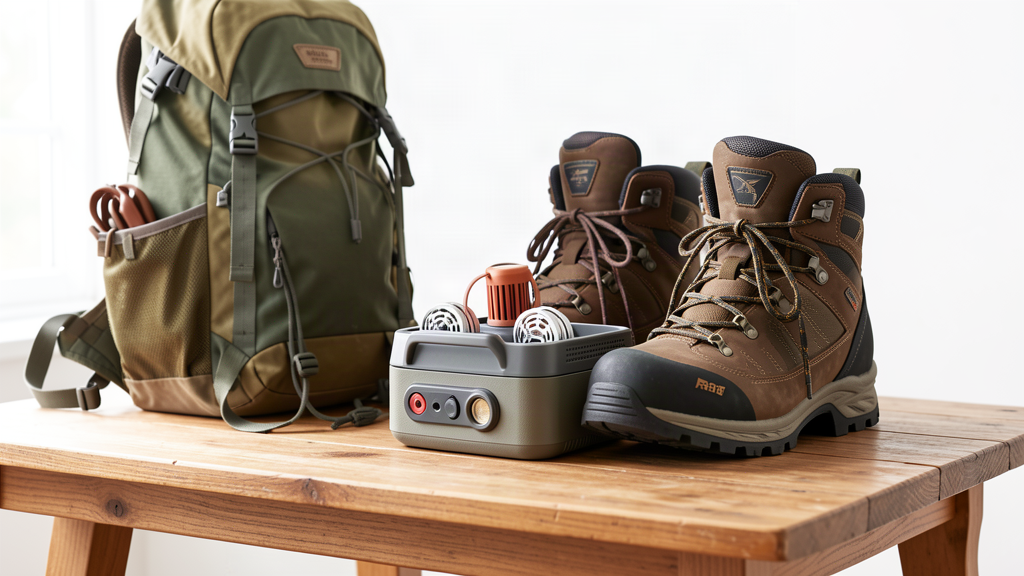
In a dry climate, a wet boot might air out in a few hours. In a rainy climate, the air itself is saturated with moisture, which means evaporation slows to a crawl. When relative humidity sits above 70 percent — common in many rainy regions — water simply does not want to leave the material. Your boots stay damp on the inside long after the outside looks dry.
This creates a cycle that is tough to break. You wear your boots, they get wet, they do not dry overnight, and you put them back on still damp the next morning. Over time, that constant moisture breaks down adhesives, encourages mold and mildew growth, and causes leather to stiffen and crack. Understanding why the problem persists is the first step toward solving it.
The key is to take moisture removal into your own hands rather than relying on the environment. That means actively wicking water away, using airflow, and applying gentle heat when appropriate. The methods below are designed specifically for people who deal with wet boots day after day.
Remove Excess Water and Debris First
Before you do anything else, get as much water out of the boots as possible. Start by removing the insoles and laces. Insoles hold a surprising amount of water, and laces trap moisture against the tongue. Set both aside to dry separately — they will dry much faster on their own than inside the boot.
Next, take a clean, absorbent towel and press it firmly against the exterior of the boots. Pay special attention to the toe box, heel counter, and any stitching where water collects. Do not rub aggressively on leather — press and blot instead. For the interior, stuff the boots with newspaper or a dry microfiber towel. The paper will wick moisture away from the lining. Replace the newspaper every hour or two until it comes away mostly dry.
If your boots are caked with mud, rinse them off with clean water first and let the mud drain away. Mud holds moisture against the material and slows drying significantly. Once the worst of the water and debris is gone, you are ready for the next step.
Air Drying Techniques That Work
Air drying is the gentlest method and works well for most boot types, but in a rainy climate you need to be strategic about airflow. Place your boots in a well-ventilated room with a fan blowing across them. Position the boots on their sides or upside down so air can circulate inside the shaft. A simple household fan on low speed makes a noticeable difference compared to letting boots sit still in damp air.
If you have access to a dehumidifier, run it in the same room. A dehumidifier pulls moisture from the air, which in turn helps moisture evaporate from the boot material faster. This combination — fan plus dehumidifier — is one of the most effective passive drying setups for rainy climates. It takes longer than a heated dryer, but it is safe for every material including delicate leather.
Avoid placing boots directly on a radiator, in front of a space heater, or in direct sunlight. High heat can warp synthetic materials, crack leather, and melt adhesives. Gentle, consistent airflow is always better than intense, concentrated heat.
Using a Boot Dryer in Wet Weather
A dedicated boot dryer is the most reliable tool for rainy climates because it combines airflow with gentle warmth in a controlled way. Unlike household heat sources, boot dryers are designed to operate at safe temperatures — typically between 105 °F and 120 °F — that evaporate moisture without damaging materials. Many models include tubes that extend into the boot shaft, delivering warm air directly to the dampest area: the toe and insole.
When shopping for a boot dryer, look for models with multiple heat settings and a timer function. A timer lets you run the dryer for a set period — usually one to three hours — without worrying about over-drying. Some dryers also offer a no-heat air-only mode, which is useful for delicate materials or for times when you want to air out boots without adding warmth.
For households where multiple people deal with wet boots, a dryer with four tubes lets you dry two pairs at once. This is especially handy during rainy seasons when everyone’s boots are damp every morning. A quality boot dryer pays for itself in extended boot life and the comfort of pulling on dry footwear every day.
You can browse popular options like the PEET Original Electric Shoe and Boot Dryer or the JobSite Boot Dryer to see which features fit your needs.
What to Avoid When Drying Boots
Some drying shortcuts cause more harm than good. Never put boots in a clothes dryer — the tumbling action and high heat will destroy most boot constructions. Avoid using a hair dryer on high heat, as the concentrated hot air can scorch leather and weaken synthetic fabrics. Do not stuff boots with wet newspaper and leave them for days; the paper will hold moisture against the lining and promote mold growth.
Another common mistake is wearing the same wet boots day after day without giving them a full drying cycle. Even if the outside feels dry, the insole and interior lining may still be damp. Rotate between two pairs if possible, so each pair has at least 24 hours to dry completely between wears.
Finally, do not store boots in closed plastic bags or airtight containers while they are still damp. Trapped moisture creates a breeding ground for bacteria and mildew. Always let boots dry fully before putting them away, and store them in a breathable fabric bag or open closet.
How to Speed Up Drying in High Humidity
When the humidity outside is high, you need to create a microclimate around your boots that encourages evaporation. One effective trick is to place boots near a dehumidifier vent or in a small room where the humidity is lower. Even a modest reduction in ambient humidity — from 80 percent down to 50 percent — can cut drying time in half.
Silica gel packs are another useful tool. Toss a few reusable silica gel canisters into each boot before leaving them to dry. They absorb moisture from the interior air and help pull dampness out of the lining. You can reuse them by baking them in a low-temperature oven every few months to refresh their absorbency.
If you are in a hurry, a boot dryer with a heated setting is your fastest option. Most boots will dry completely in one to three hours on a low heat setting, even in humid conditions. For particularly thick or heavily soaked boots, start with 30 minutes of towel-blotting and newspaper stuffing before moving to the dryer — this removes the bulk of the water so the dryer can finish the job efficiently.
Our Recommendations
If you are looking for a boot dryer that handles the demands of a rainy climate, start with our curated lists. We break down the top options by feature, drying speed, and material compatibility so you can find the right fit for your boots and budget.
Check out our guide to the best boot dryers for work boots if you need something rugged enough for daily use in tough conditions. For a broader overview of all types, see our best boot dryers roundup covering budget picks, premium models, and multi-pair dryers.
Frequently Asked Questions
How long does it take to dry boots in a rainy climate?
Air drying alone can take 24 to 48 hours in high humidity. Using a boot dryer cuts that to one to three hours depending on the material and how soaked the boots are. Towel-blotting and newspaper stuffing before using a dryer will speed things up further.
Can I dry leather boots with heat?
Yes, but use gentle, controlled heat only. A boot dryer set to a low heat setting — around 105 °F to 120 °F — is safe for leather. Avoid radiators, space heaters, and hair dryers on high heat, as these can crack or warp leather. After drying, apply a leather conditioner to restore moisture that the drying process removes.
Is it bad to wear boots that are still slightly damp?
It is not ideal. Wearing damp boots creates a warm, moist environment where bacteria and fungus thrive. Over time, this leads to persistent odors and can contribute to foot conditions like athlete’s foot. Always aim for fully dry boots before wearing them again.
Can I use a boot dryer on rain boots or rubber boots?
Most boot dryers are safe for rubber and synthetic rain boots, but check the manufacturer’s guidelines first. Rubber does not absorb water the way leather or fabric does, so drying times are much shorter. Use a low heat setting and limit sessions to 30 to 60 minutes for rubber boots.
How do I prevent boots from smelling after repeated wet wear?
Dry the boots completely every time — do not cut corners. Use moisture-wicking insoles and rotate between two pairs when possible. A quick spray of a boot-safe antimicrobial inside the shaft after drying also helps keep odors at bay during long wet stretches.
Conclusion
Drying boots in a rainy climate takes a little more intention than in a dry one, but it is entirely manageable with the right habits and tools. Remove excess water first, use airflow and gentle heat, and avoid the shortcuts that damage your boots over time. A quality boot dryer is a worthwhile investment for anyone who faces wet boots on a regular basis — it saves time, extends boot life, and means you never have to pull on a cold, damp pair again. Stay dry out there.