
How to Dry Boots on a Fire Escape
Drying boots on a fire escape is one of those skills that sounds simple until you’re standing there with soaked work boots and nowhere to put them. Whether you got caught in a downpour on the walk home, trudged through slush on a job site, or just need a backup plan when your dryer breaks, a fire escape can be a surprisingly effective drying spot — if you do it right.
The key is understanding airflow, heat, and safety. A fire escape isn’t a dedicated drying rack, so you need to work with what you’ve got: open air, elevation, and a bit of sun when it’s available. This guide walks you through the whole process, from prep to finish, so your boots dry thoroughly without getting damaged or causing a hazard.
Disclosure: Boot Dry Expert is reader-supported. As an Amazon Associate, we earn from qualifying purchases. This doesn’t change the price you pay, and it doesn’t change our recommendations.
Why Dry Boots on a Fire Escape?
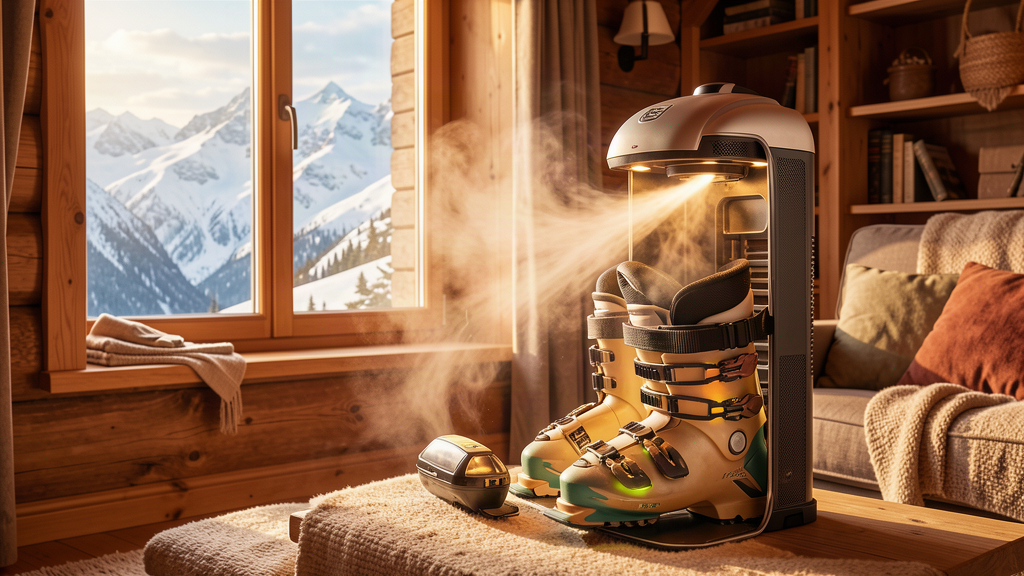
Most people don’t have a dedicated boot dryer sitting by the front door. If you live in an apartment or older building, a fire escape is often the only outdoor space you can access without a long trip. It gets decent airflow, it’s elevated away from puddles, and on sunny days it can catch direct sunlight — all things that help wet boots dry faster.
There’s also the safety angle. Wet boots left on a shared floor or hallway are a slip risk. Moving them to a fire escape keeps them out of the way and lets gravity do some of the work. Just make sure you’re not blocking the walkway or creating a tripping hazard for your neighbors.
That said, a fire escape isn’t ideal for every situation. If it’s actively raining, snowing, or below freezing, you’ll need a different approach. But on a dry, breezy day — or even a cool, overcast one with good air movement — it’s a solid option.
What You’ll Need
You don’t need much to dry boots on a fire escape, but a few basics make the process faster and safer. Here’s what we recommend having on hand:
- A wire rack or cooling rack. This elevates your boots so air can circulate underneath. A simple oven cooling rack works perfectly.
- A towel. Use it to blot excess water from the outside of the boots before you set them out.
- Boot trees or crumpled newspaper. These hold the boots open so air reaches the interior lining.
- A small fan (optional). If you have a battery-powered or extension-cord fan, pointing it at the boots speeds things up significantly.
If you don’t have a wire rack, you can lay the boots on their sides on a dry patch of the fire escape floor. Just rotate them every hour or so the air hits all sides evenly.
Step-by-Step: How to Dry Boots on a Fire Escape
Follow these steps for the best results. The whole process takes a few hours, but most of that is hands-off waiting time.
Step 1: Remove the Insoles and Laces
Pull out the insoles and loosen or remove the laces. This opens up the boot so air can reach the footbed and tongue — the areas that stay wet longest. Set the insoles next to the boots on the rack so they dry separately.
Step 2: Blot Excess Water
Use a towel to wipe down the outside of the boots. Pay attention to the seams, toe box, and any fabric panels. You’re not trying to dry them completely — just removing surface water so evaporation can do the rest.
Step 3: Position the Boots for Airflow
Place the boots upright on the wire rack with the openings facing outward. If you have boot trees, insert them now. If not, stuff the toes with crumpled newspaper — just don’t pack it so tight that you stretch the leather. The goal is to hold the boot open without distorting its shape.
Step 4: Choose the Right Spot
Set the rack in a spot that gets the most airflow and, if possible, some indirect sunlight. Avoid corners where air stagnates. If the fire escape gets full sun all day, that’s fine for most boots, but keep an eye on leather — prolonged direct sun can dry it out and cause cracking.
Step 5: Rotate and Check
Every hour or two, rotate the boots so a different side faces the breeze. Check the insoles — if they’re still soaked, flip them over. Most boots take 4 to 8 hours to dry completely on a fire escape, depending on how wet they are and how humid the air is.
Tips for Faster Drying
If you’re in a hurry or the air is still, these tricks can cut drying time significantly:
- Use a fan. A small fan pointed at the boots keeps air moving even on calm days. Even a cheap box fan makes a noticeable difference.
- Stuff with newspaper. Newspaper absorbs moisture from the inside. Replace it every hour or two when it gets damp.
- Elevate the boots. The higher off the floor they are, the better the airflow underneath. A wire rack is worth the few dollars it costs.
- Choose a breezy day. If you have any flexibility, wait for a day with some wind. Even a light breeze cuts drying time by a third or more.
If you’re dealing with leather boots, avoid placing them in direct, intense sunlight for hours. Leather dries best in shade with good airflow. Synthetic materials handle sun better, but even they dry faster with a fan than with sun alone.
Common Mistakes to Avoid
A few common errors can slow down the process or even damage your boots. Here’s what to watch out for:
- Blocking the fire escape walkway. Always leave a clear path. Your boots are not worth a safety hazard.
- Drying with laces tight and insoles in. This traps moisture inside and can lead to mold or mildew.
- Using direct high heat. Don’t point a space heater or hair dryer at the boots on the fire escape. It’s a fire risk and can warp or crack the materials.
- Leaving boots out overnight. Dew, rain, or theft are all real risks. Bring them in once they’re dry.
- Ignoring the weather. If rain is forecast, bring the boots inside and finish drying them near a fan or dehumidifier.
Our Recommendations
If you find yourself drying boots on a fire escape regularly, it might be worth investing in a dedicated boot dryer. They’re faster, more consistent, and you don’t have to worry about the weather. Here are our top picks:
Check out our Best Boot Dryers for Work Boots guide for our full recommendations. We cover a range of options from budget-friendly to heavy-duty, so you can find one that fits your needs.
If you’re looking for a specific type of dryer, we also have a guide on the best boot dryers for hiking boots that covers compact and portable options — perfect if you’re short on space or need something you can take on the go.
For a reliable electric dryer that handles most boot types, the PEET Original Electric Shoe and Boot Dryer is a popular choice. It uses convection air to dry boots gently without heat, which is ideal for leather and delicate materials.
If you’re on a budget, our Best Boot Dryers for Work Boots guide also covers affordable options that still get the job done. And for those who need something compact, the best boot dryers for hiking boots guide has portable picks that work well in small spaces.
FAQ
Can I dry boots on a fire escape in winter?
Yes, but it takes longer. Cold air holds less moisture, so evaporation is slower. If it’s below freezing, the water in your boots may freeze before it evaporates. In that case, bring them inside and finish drying them near a fan or in a warm room.
How long does it take to dry boots on a fire escape?
It depends on how wet the boots are, the humidity, and the airflow. Lightly damp boots might dry in 2 to 3 hours. Soaked boots can take 6 to 8 hours or more. Using a fan and newspaper can cut that time roughly in half.
Will drying boots on a fire escape damage them?
Not if you do it correctly. The main risks are prolonged direct sunlight on leather (which can cause cracking) and leaving boots out in rain or snow. As long as you use shade, good airflow, and bring them in when they’re dry, your boots will be fine.
Can I use a fire escape to dry other gear?
Absolutely. Gloves, hats, and even small jackets can be dried on a fire escape using the same principles: elevate them, maximize airflow, and rotate them periodically. Just make sure you’re not blocking any exits or creating a hazard.
Is it legal to dry boots on a fire escape?
In most places, it’s fine as long as you’re not blocking the walkway or creating a safety hazard. However, some buildings have rules about what can be stored on fire escapes. Check with your landlord or building manager if you’re unsure. Safety always comes first.
Conclusion
Drying boots on a fire escape is a practical solution when you’re short on indoor space or your usual drying method isn’t available. With a wire rack, a towel, and a little patience, you can get most boots dry in a few hours without any special equipment.
The key is airflow. Elevate the boots, open them up, and let the air do the work. Avoid direct high heat, keep the walkway clear, and bring your boots in as soon as they’re dry. Follow these steps and you’ll never have to put on soggy boots again — even when the weather doesn’t cooperate.