
How to Store Your Boot Dryer
Storing your boot dryer properly extends its lifespan and keeps it ready for the next wet season. A boot dryer is a simple machine, but it has heating elements, moving parts, and electrical components that can degrade if left in the wrong conditions. Whether you use it daily during winter or occasionally after a hike, proper storage makes a real difference in how long your dryer lasts and how well it performs.
Most boot dryers sit unused for months at a time. Without the right care, dust builds up, cords fray, and moisture can corrode internal components. The good news is that storing your boot dryer correctly takes only a few minutes and requires no special tools. A little attention now saves you from replacing a perfectly good dryer later.
Disclosure: Boot Dry Expert is reader-supported. As an Amazon Associate, we earn from qualifying purchases. This doesn’t change the price you pay, and it doesn’t change our recommendations.
Why Proper Storage Matters
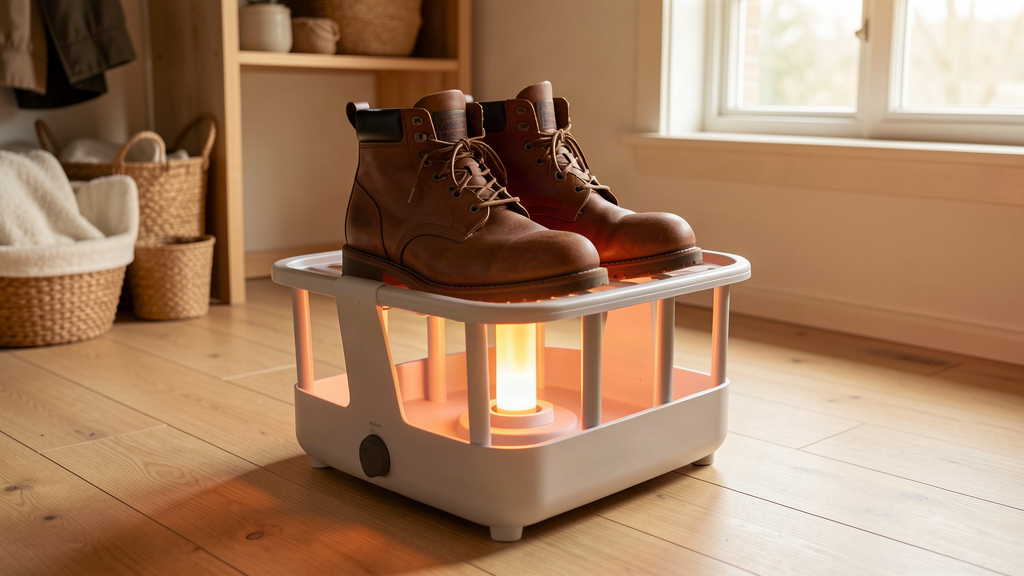
A boot dryer contains a heating element, a fan, and electrical wiring. These components are sensitive to dust, moisture, and temperature extremes. When you store your dryer in a damp basement or a hot attic, you risk corrosion, mold growth, and brittle wiring. Proper storage protects your investment and ensures the dryer works when you need it most.
Think of your boot dryer like any other appliance. You wouldn’t leave a toaster outside in the rain or store a space heater in a flooded garage. The same logic applies here. A boot dryer has internal components that can rust, warp, or short-circuit when exposed to the wrong conditions. Taking a few minutes to store it properly is far cheaper than buying a replacement.
The heating element is particularly vulnerable. When dust and lint accumulate on it, the element has to work harder to produce the same amount of heat. This extra strain shortens its lifespan and can eventually cause it to fail. Moisture is another silent killer. Even small amounts of humidity can corrode electrical connections over time, leading to intermittent operation or complete failure.
Clean Your Dryer Before Storing
Always clean your boot dryer before putting it away. Wipe down the exterior with a dry or slightly damp cloth to remove dirt, dust, and debris. Pay attention to the air vents and drying tubes, where lint and dust accumulate. If your dryer has removable components, take them apart and clean each piece separately. Make sure everything is completely dry before reassembling and storing.
Dust and lint are the most common culprits when a boot dryer stops working. They clog the air vents, reduce airflow, and cause the heating element to work harder than it should. Over time, this leads to overheating and premature failure. A quick wipe-down and a few minutes with a can of compressed air can prevent these problems.
For the exterior, a microfiber cloth works best. It picks up dust without scratching the plastic. For the air vents, use a soft brush or a can of compressed air to dislodge stubborn debris. If your dryer has a removable filter, take it out and wash it with warm, soapy water. Let it dry completely before putting it back.
Choose the Right Storage Location
The ideal storage spot is cool, dry, and out of direct sunlight. A closet, garage shelf, or under-bed storage container works well. Avoid areas with high humidity, such as basements or bathrooms, and avoid places that get extremely hot, like attics or cars in summer. Temperatures between 50°F and 80°F are safe for most boot dryers.
Direct sunlight can fade and crack plastic components over time. Heat from a nearby radiator or heating vent can warp the drying tubes and damage the fan. Cold is less of a concern, but extreme cold can make plastic brittle. A stable, room-temperature environment is always the safest choice.
If you live in a small apartment with limited storage space, look for creative solutions. A shelf in a hallway closet, a storage bin under the bed, or even a dedicated spot in a utility room can work. The key is consistency. Once you find a good spot, keep your dryer there so you always know where it is when you need it.
Protect the Cord and Accessories
The power cord is one of the most vulnerable parts of a boot dryer. Wrap it loosely around the unit or use a cable tie to keep it organized. Avoid tight bends or kinks that can damage the internal wires. If your dryer came with attachments like drying tubes or brushes, store them together in a bag or container so they don’t get lost.
A frayed or damaged cord is a safety hazard. It can cause electrical shorts, sparks, or even fires. Before storing your dryer, inspect the cord for any signs of wear. If you notice cracks, exposed wires, or a loose plug, replace the cord or have the dryer serviced before using it again.
For accessories, a simple zip-top bag or a small plastic container keeps everything together. Label the container if you have multiple dryers or attachments. This saves you from searching for missing pieces when you need them most. If your dryer came with a storage bag, use it. These bags are designed to protect the unit and keep accessories organized.
Store in a Dry, Cool Place
Moisture is the enemy of electrical components. If you live in a humid climate, consider placing a silica gel packet near your dryer to absorb excess moisture. Store the dryer in its original box if you still have it, or use a breathable fabric bag to protect it from dust. Avoid airtight plastic bags, which can trap moisture and promote mold growth.
Silica gel packets are inexpensive and widely available. You can find them in the packaging of new shoes, electronics, and food products. Toss a few into your storage container to keep the environment dry. If you don’t have silica gel, a small container of uncooked rice can work as a makeshift moisture absorber.
In particularly humid climates, a dehumidifier in the storage room can make a big difference. Even a small, portable unit can reduce humidity levels enough to protect your dryer and other stored items. If you don’t have a dehumidifier, make sure the storage area has good ventilation. A small fan or an open window can help circulate air and reduce moisture buildup.
Long-Term Storage Tips
If you won’t use your boot dryer for several months, take extra precautions. Unplug the unit and remove any batteries if applicable. Store it upright if possible to prevent stress on internal components. Check on it every few months to ensure no pests have made a home inside. When you take it out of storage, inspect it carefully before plugging it in.
Pests like mice and insects are attracted to warm, dark spaces. They can chew through wires and build nests inside your dryer. Storing the unit in a sealed container or a room where pests are less common reduces this risk. If you live in an area with a rodent problem, consider storing your dryer in a metal cabinet or a plastic bin with a tight-fitting lid.
Before using your dryer after long-term storage, give it a thorough inspection. Check the cord for damage, look for signs of pests, and make sure all components are present and functional. Plug it into a surge protector and turn it on for a few minutes to make sure everything works properly. If you notice any unusual smells, sounds, or performance issues, stop using the dryer and have it inspected.
Our Recommendations
Looking for a new boot dryer? Check out our guides to the best options:
If you’re shopping for a replacement, the PEET Original Electric Shoe and Boot Dryer is a popular choice known for its durability and quiet operation. For more options, see our full roundup of the best boot dryers.
Frequently Asked Questions
How often should I clean my boot dryer?
Clean your boot dryer after each use or at least once a month during regular use. Wipe down the exterior and clear dust from the air vents to keep it running efficiently.
Can I store my boot dryer in the garage?
Yes, as long as the garage is dry and the temperature stays within a reasonable range. Avoid uninsulated garages that get extremely hot in summer or cold in winter.
Should I leave my boot dryer plugged in?
No. Always unplug your boot dryer when not in use. This saves energy and reduces the risk of electrical issues.
How do I know if my boot dryer is damaged from improper storage?
Look for frayed cords, cracked plastic, or a burning smell when you turn it on. If you notice any of these signs, stop using the dryer and have it inspected.
Can I store my boot dryer in its original box?
Yes, the original box is a great option for long-term storage. It protects the dryer from dust and physical damage.
Conclusion
Storing your boot dryer properly is a simple task that pays off in longevity and performance. A few minutes of cleaning and the right storage spot will keep your dryer ready for years of use. Take care of your equipment, and it will take care of your boots.