
How to Dry Boots on a Mudroom Porch
Drying boots on a mudroom porch is one of the simplest ways to keep your footwear in good shape through wet seasons. A porch gives you airflow, shelter from direct sun, and a spot that keeps mud and water out of the house. With a little setup and the right method, you can dry most boots overnight without damaging the materials.
Whether you wear work boots, hiking boots, or rain boots, the principles are the same. You want to remove excess moisture, encourage airflow, and give the boots time to dry evenly. This guide walks you through exactly how to do that on a mudroom porch, step by step.
Disclosure: Boot Dry Expert is reader-supported. As an Amazon Associate, we earn from qualifying purchases. This doesn’t change the price you pay, and it doesn’t change our recommendations.
Why the Mudroom Porch Is a Good Place to Dry Boots
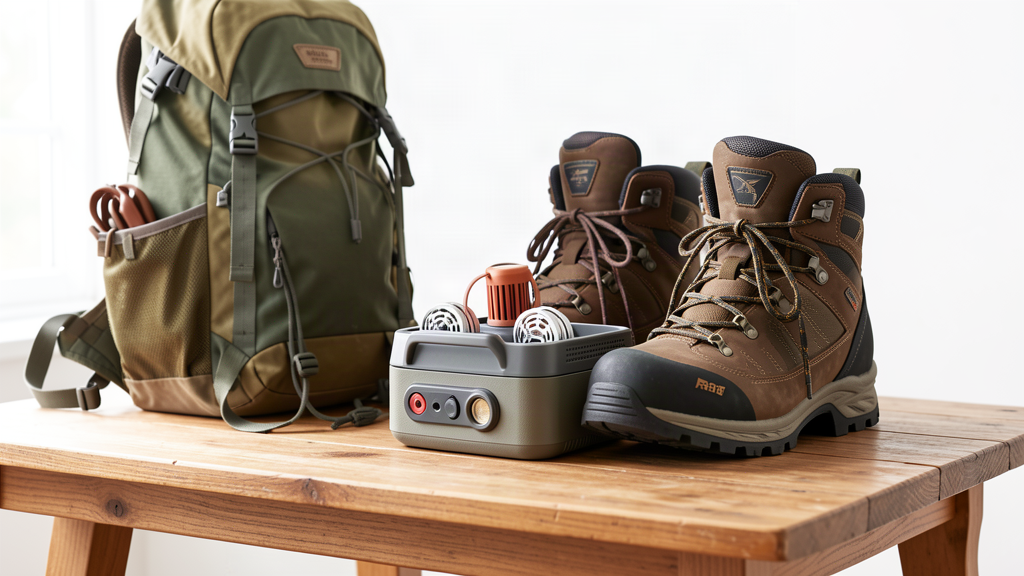
A mudroom porch hits a sweet spot for drying boots. It is usually covered, so rain and direct sunlight will not hit the leather or fabric. It tends to have decent airflow, especially if there is a door or window that can be cracked open. And it keeps the mess outside, so you are not tracking water and mud through the house.
Porches also tend to stay cooler than garages or entryways inside the house. That matters because high heat can crack leather, warp soles, and break down adhesives. A shaded porch with a breeze is often the best natural drying environment you can find at home.
If your porch gets very cold in winter, that is fine. Boots will dry more slowly at lower temperatures, but they will still dry. The key is to give them time and keep air moving around them.
Ventilation matters more than most people realize. A porch with a screen door or a small window that can be opened will dry boots much faster than a sealed room. If your porch is fully enclosed, a simple box fan makes a noticeable difference.
Prep Your Boots Before You Set Them Out
Good drying starts before the boots hit the porch. Remove the insoles if they come out, and pull the laces open so air can reach inside the boot. Wipe off loose mud and debris with a brush or a damp cloth. The less standing water and dirt on the boot, the faster and more evenly it will dry.
For leather boots, consider applying a conditioner after they are fully dry. Drying strips natural oils from leather, so replacing that moisture helps prevent cracking. For synthetic materials, a quick wipe-down is usually all you need.
If your boots are soaked through, stuff the shafts with newspaper or a dry towel. This absorbs moisture from the inside and helps the boot keep its shape as it dries. Replace the stuffing every few hours if it becomes damp.
For boots with a waterproof membrane, pay extra attention to the interior lining. Waterproof fabrics often take longer to dry because moisture gets trapped between the outer shell and the lining. Pull the lining away from the outer material if you can, and aim a fan or dryer vent at the opening to push air through the gap.
Choose the Right Drying Method for Your Space
There are three main ways to dry boots on a mudroom porch: air drying, using a boot dryer, or a combination of both. The best choice depends on how wet your boots are, how much time you have, and what kind of boots you own.
Air drying is the simplest method. Set the boots upright in a spot with good airflow, and let nature do the work. This works well for lightly damp boots or when you have overnight or longer to wait. It is also the gentlest option for delicate materials.
An electric boot dryer speeds things up significantly. These devices blow warm air into the boot shaft and can cut drying time from overnight to a few hours. If you wear boots daily and need them ready again by morning, a boot dryer is worth considering. You can browse options like the PEET Original Electric Shoe and Boot Dryer on Amazon.
For most people, a hybrid approach works best. Use a boot dryer for the first hour or two to pull out the bulk of the moisture, then let the boots finish air drying on the porch. This is faster than air drying alone but gentler than running a dryer all night.
If you are choosing between methods, think about your routine. If you wear the same pair of boots every day and need them dry by morning, an electric dryer is the most reliable option. If you rotate between several pairs and can afford to let boots sit overnight, air drying costs nothing and is the gentlest on materials.
Set Up a Drying Station That Works
A dedicated drying spot on your porch makes the whole process easier. Choose a level surface that will not be in the way of foot traffic. A boot tray, a rubber mat, or even a shallow plastic bin works well to catch drips and keep the area tidy.
Position the boots so air can circulate around and inside them. If you are air drying, tilt the boots slightly or use a boot rack that holds them at an angle. This lets water drain out rather than pooling in the toe. If you are using an electric dryer, follow the manufacturer’s instructions for placement and run time.
Leave at least a few inches of space between pairs of boots so air can flow around each one. Crowding them together slows drying and can leave damp spots where mold starts. If you are drying multiple pairs, stagger them rather than lining them up side by side.
Keep the porch door or a window cracked open if weather permits. Even a small gap makes a big difference in airflow. If your porch is enclosed, a small fan pointed at the boots will keep air moving and speed up drying.
If you dry boots on the porch regularly, consider adding a simple hook or rack near the door. Hanging boots by the heel loop or placing them on a raised rack keeps them off the floor and improves airflow underneath.
Keep a small brush or cloth near the drying station so you can wipe off mud before it dries and hardens. A quick clean when the boots come in saves time later and keeps the porch tidy.
Know When Your Boots Are Fully Dry
Boots can feel dry on the outside while still holding moisture inside. Check the insoles, the tongue, and the toe box by pressing a finger into the material. If it feels cool or damp, the boots need more time. Leather should feel room temperature and supple, not cold or clammy.
A good rule of thumb is to give boots at least 12 to 24 hours for air drying, depending on how wet they are and the humidity in your area. With an electric dryer, most boots are dry in 2 to 4 hours, but thick work boots or heavily soaked footwear may take longer.
Do not put boots away until they are fully dry. Storing damp boots invites mold, mildew, and odor. If you are in a hurry, focus on drying the insoles separately, since those hold a lot of moisture and are often the last part to dry.
Common Mistakes to Avoid
The biggest mistake people make is using high heat to speed up drying. Radiators, hair dryers on high heat, and direct sunlight can all damage boots. Leather can crack, synthetic materials can warp, and glue can soften and fail. Stick to gentle warmth or room-temperature air.
Another common error is drying boots upside down or on their sides. This traps water inside the shaft and slows drying. Always dry boots upright, with the opening facing up so moisture can escape.
Finally, do not skip the insoles. Many people dry the outside of the boot and forget that the insole is soaked. Remove insoles and dry them separately, or at least pull them out slightly so air can reach both sides.
Another mistake is leaving boots in a closed bag or bin after they come in wet. Trapping moisture creates a breeding ground for bacteria and mold. Always let boots air out on the porch before storing them in a closet or under a bench.
Our Recommendations
If you are looking for a boot dryer to use on your mudroom porch, start with our roundup of the best boot dryers for work boots. We cover a range of options at different sizes and feature levels, so you can find one that fits your space and routine.
For more general guidance on choosing and using a boot dryer, see our complete guide to boot dryers. It walks through the key features to look for, how to use a dryer safely, and how to get the most out of your investment.
Frequently Asked Questions
Can I dry boots outside on the porch in winter?
Yes, you can dry boots on a covered porch in winter. The process will be slower because cold air holds less moisture, but the boots will still dry. Just give them extra time, and make sure the porch is covered so snow or rain does not add more water to the boots.
How long does it take to air dry boots on a porch?
Air drying typically takes 12 to 24 hours, depending on how wet the boots are, the material, and the humidity. Lightly damp boots may dry overnight, while soaked boots can take a full day or more. Using a fan or cracking a window for airflow will speed things up.
Is it safe to use an electric boot dryer on leather boots?
Yes, as long as you use the dryer according to the manufacturer’s instructions. Most electric boot dryers use gentle warm air that is safe for leather. Avoid placing leather boots directly on a radiator or using a hair dryer on high heat, as excessive heat can crack or shrink the leather.
Should I remove the insoles before drying?
Yes, removing the insoles is a good idea. Insoles absorb a lot of sweat and moisture, and they dry much faster when separated from the boot. If the insoles are not removable, pull them out as far as you can so air reaches both sides.
What temperature is best for drying boots?
Room temperature to slightly warm air, around 70 to 90 degrees Fahrenheit, is ideal. This is warm enough to encourage evaporation but not so hot that it damages materials. Most electric boot dryers operate in this range. Avoid temperatures above 120 degrees Fahrenheit, especially for leather.
Can I dry boots on a porch if it is humid?
Yes, but drying will take longer in humid conditions because the air is already saturated with moisture. Use a fan to keep air moving, and consider using an electric boot dryer to add gentle warmth. If possible, dry boots during the part of the day when humidity is lowest.
Conclusion
Drying boots on a mudroom porch is straightforward once you have a system. Prep the boots, choose a method that fits your timeline, set up a spot with good airflow, and give them enough time to dry fully. Avoid high heat, do not skip the insoles, and store boots only when they are completely dry.
With these steps, your boots will last longer, smell better, and be ready to wear when you need them. A little attention on the porch saves you money and keeps your footwear in season-ready shape year-round.