
How to Dry Boots in a Mudroom
Drying boots in a mudroom is the smartest move you can make for their longevity. A mudroom gives you the space, ventilation, and separation from living areas that wet boots need to dry properly without damaging your floors or creating a mess throughout the house.
Whether you’re dealing with soaked work boots after a rainy commute or muddy hiking boots after a trail run, the mudroom is your boot-drying headquarters. Here’s how to set it up and use it effectively so your boots dry faster, last longer, and stay odor-free.
Disclosure: Boot Dry Expert is reader-supported. As an Amazon Associate, we earn from qualifying purchases. This doesn’t change the price you pay, and it doesn’t change our recommendations.
Why the Mudroom Is the Best Place to Dry Boots
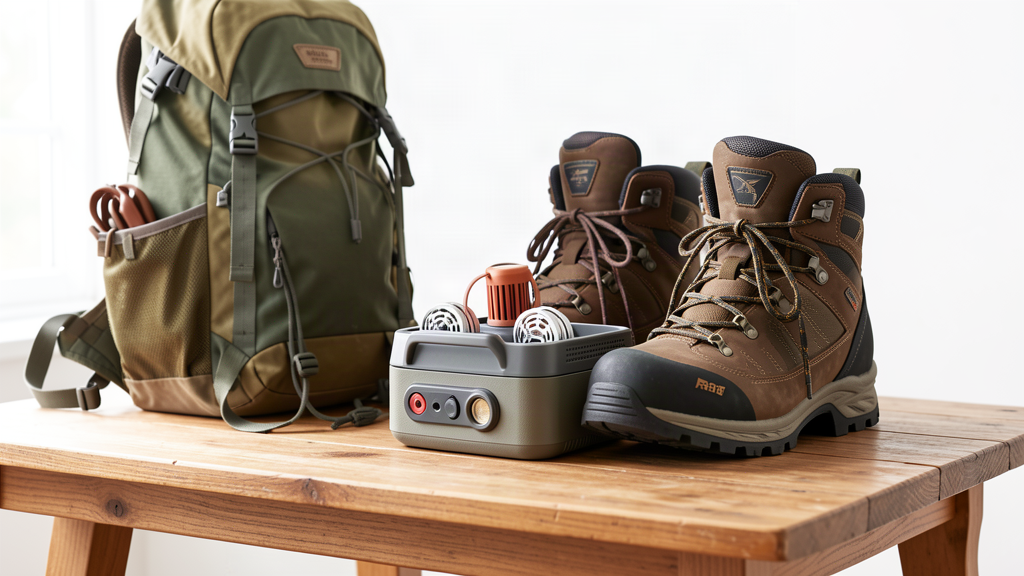
Your mudroom is designed to handle the mess that comes in from outside. It typically has hard flooring that can handle water, good ventilation from exterior doors, and enough space to set boots aside without blocking traffic through the house. Drying boots here keeps moisture and mud out of your living areas where they can damage carpets, create slip hazards, and spread dirt to every room you walk through.
A mudroom also gives you a dedicated spot to store drying equipment. Whether you’re using a simple boot tray, a raised rack, or an electric boot dryer, having a permanent home for these tools means you’re far more likely to use them consistently. Consistency is what actually prevents the damage that wet boots cause over time, from cracked leather to broken-down adhesives to persistent odor.
Prep Your Boots Before You Dry Them
Before you set your boots out to dry, take a minute to prep them properly. Remove the insoles if they’re removable, loosen the laces or open the zippers fully, and pull the tongues forward. This opens up the interior so air can circulate where it matters most, deep inside the boot where moisture gets trapped against your socks and feet.
Brush off any dried mud or debris with a stiff brush before you start drying. Mud that’s caked on holds moisture against the leather or fabric, slowing down the drying process and potentially staining the material permanently. If your boots are truly soaked through, stuff them loosely with newspaper or a clean dry towel to help wick moisture away from the interior lining. Replace the stuffing every few hours if it becomes damp.
Air Drying: The Foundation of Every Method
Air drying is the gentlest and most accessible way to dry boots in a mudroom. Set them upright on a boot tray or a raised rack that allows air to flow underneath and around the boots. Position them near an open window or an exterior door to maximize natural airflow. If your mudroom has a ceiling fan or a small space heater, use it to keep the air moving and speed up evaporation.
The key is patience. Leather boots can take 24 to 48 hours to dry completely at room temperature. Synthetic materials may dry faster, but rushing the process with high heat can cause cracking, warping, or delamination of the sole. Air drying at room temperature around 65-75°F is the safest approach for any boot material, and it requires no special equipment beyond a little space and time.
Using a Boot Dryer in a Mudroom
An electric boot dryer speeds up the process significantly and is especially useful during wet seasons or if you wear the same pair of boots daily for work. These devices blow warm air into the boot interior, cutting drying time from a full day or more down to just a few hours. Look for a dryer with a timer so you can set it and forget it without worrying about over-drying or leaving it on overnight.
Place the dryer on a hard, non-flammable surface in your mudroom. Keep it at least 12 inches away from curtains, rugs, or anything that could be damaged by the warm air exhaust. A PEET Original Electric Shoe and Boot Dryer is a popular choice that many mudroom setups rely on for consistent, gentle drying without excessive heat.
For more options across different budgets and features, check out our roundup of the best boot dryers for work boots to find the right fit for your mudroom setup and your drying needs.
Common Mistakes to Avoid
The biggest mistake people make is using high heat to speed up drying. Radiators, hair dryers on high heat, and direct sunlight through a window can all damage boot materials. Leather dries out and cracks, adhesives break down causing soles to separate, and synthetic fabrics can warp or shrink. Stick to gentle, consistent warmth or room-temperature air drying for the best results.
Another common error is drying boots with the laces tied tight and the tongue tucked in. This closes off the interior and traps moisture inside where it can’t escape. Always open your boots up fully before setting them out to dry. Similarly, don’t stack wet boots on top of each other or place them in a closed closet where air can’t circulate freely around them.
Finally, don’t neglect the insoles. Removable insoles hold a surprising amount of moisture and odor-causing bacteria that regular drying won’t reach. Pull them out and dry them separately on a rack or a dry towel. This simple step extends the life of both the insoles and the boots themselves, and it’s one of the easiest ways to keep your mudroom smelling fresh.
Our Recommendations
If you’re setting up a dedicated mudroom drying station, we recommend starting with a quality electric boot dryer and a raised boot rack. The combination gives you both active drying and passive air drying options depending on your timeline, the weather, and how wet your boots are when you come in.
For specific product recommendations, see our guide to the best boot dryers for work boots. We also cover budget-friendly options, multi-pair drying solutions, and features to look for in our boot dryer buying guide.
Frequently Asked Questions
How long does it take to dry boots in a mudroom?
Air drying typically takes 24 to 48 hours depending on the material and how wet the boots are. Using an electric boot dryer can cut that time to 2-4 hours. The key is ensuring good airflow around and inside the boots, and being patient enough to let them dry completely before wearing them again.
Can I dry boots near a space heater?
Yes, but keep them at least 12 inches away from the heater and never place them directly on or against a heat source. The goal is warm, moving air circulating around the boots, not direct high heat that can damage leather, adhesives, or synthetic materials.
Should I dry boots with the laces on or off?
Loosen the laces completely and pull the tongue forward to open up the interior for maximum airflow. You don’t need to remove the laces entirely unless you’re washing them separately, but tight laces will slow down drying significantly.
Is it okay to dry boots in a closed closet?
No. Closed closets trap moisture and prevent airflow, which slows drying and can lead to mildew growth and persistent odor. Always dry boots in a well-ventilated space like a mudroom with the door open or a window cracked to let fresh air circulate.
How do I prevent boots from smelling while they dry?
Remove the insoles and dry them separately, and make sure the boots are fully dry before wearing them again. For persistent odor, look into boot dryers with built-in sanitizing features or use a boot-specific deodorizing spray once the boots are completely dry. Good ventilation in your mudroom also helps prevent odor from building up in the first place.
Conclusion
Drying boots in a mudroom is one of those simple habits that pays off every single time you pull on a dry, comfortable pair of boots. With a little prep, the right equipment, and some patience, you can keep your boots in great shape for years of reliable wear. Set up your mudroom drying station once, and you’ll never have to deal with soggy, smelly boots again.