
How to Dry Boots in the Backcountry
Wet boots in the backcountry are more than uncomfortable — they’re a safety issue. When your feet stay damp for hours in cool or cold conditions, you lose heat fast, and that raises your risk of blisters, trench foot, and even hypothermia. Whether you’ve forded a stream, slogged through snow, or simply sweated through a long day of hiking, knowing how to dry your boots properly before the next morning can make or break your trip.
The good news is that you don’t need a fancy electric dryer or a campfire to get the job done. With a few smart techniques and a little planning, you can dry most boots overnight in a tent or shelter — even in challenging conditions. Here’s exactly how we do it.
Disclosure: Boot Dry Expert is reader-supported. As an Amazon Associate, we earn from qualifying purchases. This doesn’t change the price you pay, and it doesn’t change our recommendations.
Why Wet Boots Are a Backcountry Problem
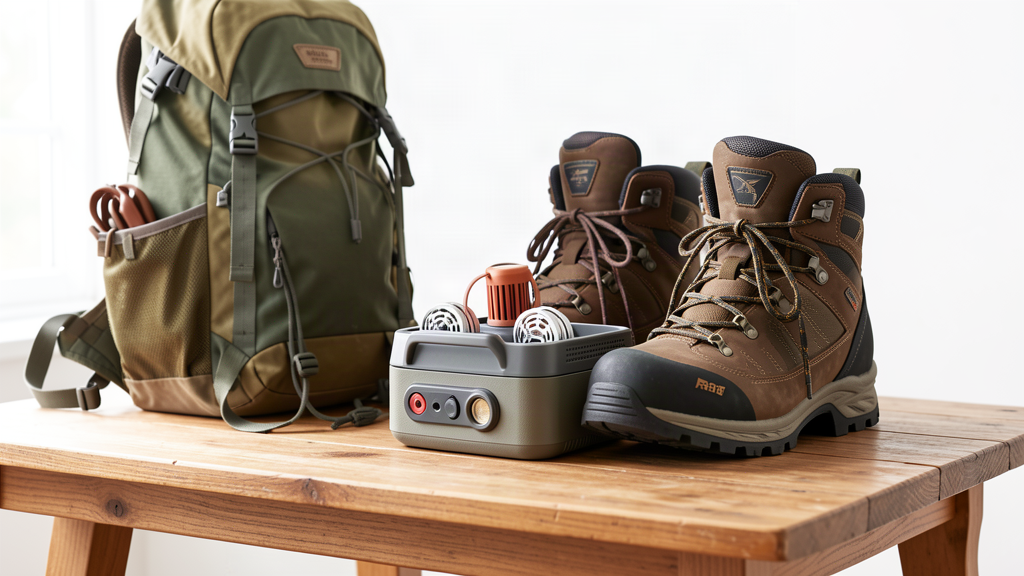
Boots that stay wet lose their insulation. Leather, synthetic liners, and even waterproof membranes all trap moisture, and that moisture pulls heat away from your feet far faster than dry material does. In temperatures below 50°F, damp boots can feel genuinely cold within minutes of putting them on. In freezing conditions, the risk escalates quickly.
Beyond comfort, wet boots cause blisters. Soft, waterlogged skin breaks down faster, and friction from walking in damp socks creates hot spots that turn into painful blisters by midday. If you’re miles from the trailhead, a bad blister can end your trip early. Drying your boots each evening is one of the simplest ways to protect your feet and keep moving.
Get the Water Out First
Before you try to dry anything, remove as much surface water as possible. Take out the insoles and set them aside — they hold a surprising amount of moisture and dry faster when separated from the boot. Pull the tongue forward and open the laces wide so air can circulate inside the boot.
Tip the boot upside down and let gravity do its work. If water is pooled in the toe box, press the boot against a rock or log to squeeze it out. Wipe down the exterior with a bandana or spare cloth to remove mud and surface moisture. The less water you start with, the faster everything dries.
Air Drying Techniques That Work
Air drying is the safest method for backcountry boot care. Hang your boots upside down from a tree branch, trekking pole, or the outside of your pack so moisture drains out rather than pooling in the toe. If you’re in a tent, place them near the foot of your sleeping area where body heat and airflow will help.
Stuffing your boots with dry socks or a bandana absorbs moisture from the inside and helps the boot keep its shape. Replace the stuffing every few hours if it becomes damp. In dry, breezy conditions, this method alone can get most boots reasonably dry by morning. In humid or cold environments, you’ll want to combine it with gentle heat.
Using Heat Safely in the Backcountry
Heat speeds up drying, but it can also damage boots if you’re not careful. The key is gentle, indirect heat — never direct flame or a roaring campfire. Hold your boots near (not in) the edge of a campfire, or place them on a flat rock that has been warmed by the fire but is no longer in direct contact with flames.
A camp stove can also help. Place your boots a safe distance from the stove — at least 12 to 18 inches away — and rotate them every few minutes so they dry evenly. The goal is to warm the boots to roughly body temperature, not to cook them. Excessive heat can crack leather, warp synthetic materials, and damage adhesives that hold the sole to the upper.
If you’re using a portable boot dryer designed for travel, these are a solid option for car camping or basecamp situations. They push warm air through the boot without the risks of open flame. You can find options like the PEET Original Electric Shoe and Boot Dryer on Amazon, though they do require a power source, which limits their use in true backcountry settings.
Speeding Up the Process with Airflow
Moving air dries boots faster than still air, even at the same temperature. If you have a small battery-powered fan, aim it at your boots overnight — the constant airflow carries moisture away and prevents the damp, stagnant conditions that slow drying. Even a few hours of fan time can cut your drying time significantly.
Position your boots so air can flow through them, not just around the outside. Open the laces fully, pull the tongue forward, and if possible, prop the boot opening with a trekking pole or stuff it with mesh. The more surface area exposed to moving air, the faster the moisture evaporates.
What Not to Do
Never put wet boots directly on a campfire or hold them over an open flame. The intense, uneven heat can scorch leather, melt synthetic liners, and weaken the glue that holds your sole together. Boots damaged this way may fail completely on the trail, leaving you with no good options.
Avoid packing wet boots inside your sleeping bag or tent body. The moisture will transfer to your sleeping system, making everything damp and cold. Instead, store boots in the vestibule of your tent or in a stuff sack outside the rainfly where they can continue to dry overnight without soaking your gear.
Don’t use a hair dryer or any high-heat device on boots in the field. The concentrated heat can warp materials and create hot spots that damage the boot’s structure. Stick to gentle, indirect methods and give the process time.
Our Recommendations
If you’re looking for a reliable boot dryer for home use or car camping, we’ve put together a detailed guide to the best boot dryers for work boots that covers the top options across different needs and budgets. For a broader look at what to consider when choosing a dryer, our boot dryer buying guide walks through the key features and helps you find the right fit.
Frequently Asked Questions
How long does it take to dry boots in the backcountry?
It depends on the material, how wet the boots are, and the conditions. Lightly damp boots may dry in 4 to 6 hours with good airflow. Soaked boots can take 8 to 12 hours or longer, especially in cold or humid weather. Using gentle heat and a fan can cut that time roughly in half.
Can I sleep with my boots in my sleeping bag to dry them?
We don’t recommend it. Wet boots will transfer moisture to your sleeping bag, making it damp and cold — which defeats the purpose of drying them. Keep boots in the tent vestibule or outside under the rainfly instead.
Is it safe to use a campfire to dry boots?
Only with extreme caution. Keep boots at least 2 to 3 feet from the flames and rotate them constantly. Direct contact with fire or embers can crack leather and melt synthetic materials. Gentle radiant heat from a safe distance is fine; direct flame is not.
What’s the best way to dry boot insoles?
Remove insoles from the boots and lay them flat in a warm, airy spot. If you’re using a campfire, place them on a nearby rock — never directly on hot coals. Insoles are thinner than boots and usually dry within a few hours with decent airflow.
Can I use a portable electric boot dryer while camping?
Yes, if you have access to power — a car inverter, portable power station, or campground hookup. Portable dryers like the PEET Original are designed for this kind of use. They’re not practical for true backcountry trips where you’re carrying everything on your back, but they’re excellent for car camping and basecamp scenarios.
How do I prevent my boots from getting soaked in the first place?
Gaiters are your first line of defense — they keep snow, rain, and stream water out of the top of your boots. Waterproof boots with a quality membrane help, but they can’t keep water out if you’re wading through streams that rise above the collar. When you do get wet, act fast: remove excess water, open the boots up, and start the drying process before you crawl into your sleeping bag.
The Bottom Line
Drying boots in the backcountry comes down to three things: remove as much water as possible, use gentle heat when you can, and keep air moving around the boots overnight. None of this requires special gear — just a little planning and the willingness to take care of your equipment at the end of the day. Your feet will thank you on the trail tomorrow.